Francisco Coloane Marine Park
Francisco Coloane Marine Park
Chile's first marine protected area, Francisco Coloane Park is home to humpback whales, dolphins and penguins in the fjords of the Strait of Magellan.
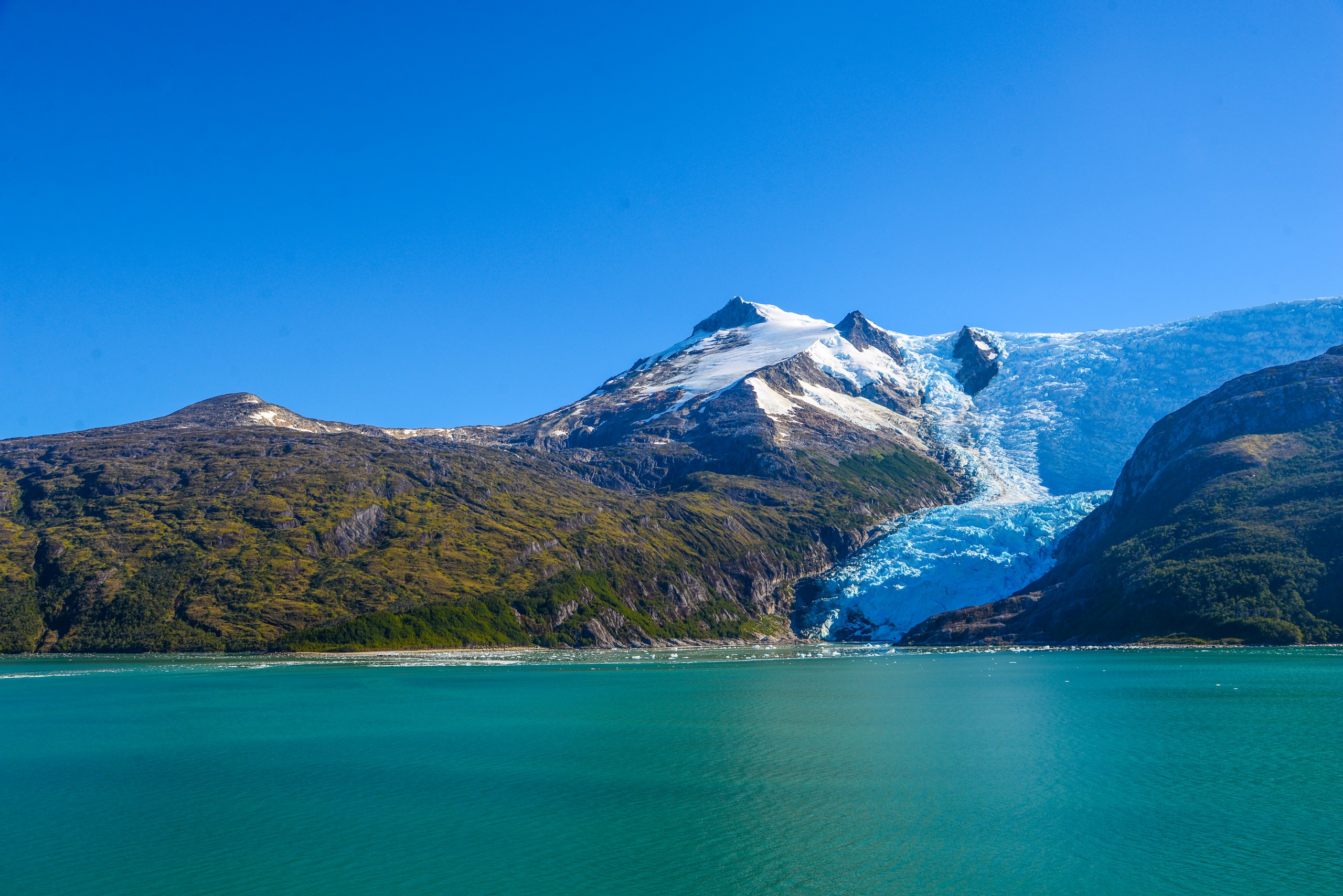
South of the Strait of Magellan, Francisco Coloane Marine Park protects a territory of fjords, glaciers and islands where humpback whales migrate each austral summer. Accessible only by sea from Punta Arenas, this site remains one of the most pristine areas of Chilean Patagonia.
Why visit Francisco Coloane Marine Park
Chile's first marine protected area, Francisco Coloane Park covers 67,000 hectares in the Magallanes region. Its uniqueness lies in a rare concentration of cetaceans within landscapes of fjords, glaciers descending to the sea, and seldom-visited islands. It is one of only a few places in the world where humpback whales are observed in a subantarctic zone, in immediate proximity to their summer feeding grounds.
The park appeals to travelers who accept demanding maritime access and changeable weather conditions in exchange for an encounter with dense marine wildlife unaccustomed to human presence.
Park History
The marine park was established in 2003 and constitutes Chile's first marine zone to benefit from protected status. It is named after Francisco Coloane (1910-2002), a Chilean adventure novelist whose work was largely inspired by the southern Patagonia. His collection El Camino de la Ballena (The Whale's Road) denounces industrial cetacean hunting and remains one of his most recognized contributions to Chilean literary heritage.
The park's creation was part of a broader policy to protect marine ecosystems in southern Chili, at a time when regular humpback whale visits to the strait had been redocumented by researchers.
What to See and Do
Humpback Whales
Humpback whale watching is the park's signature activity. The individuals present measure around 15 meters and frequently exceed 40 tons. They come to feed in the strait's cold, nutrient-rich waters before migrating to tropical Pacific zones for breeding. Boat excursions typically depart from Carlos III Island, the park's logistical base.
Other Marine Mammals
Several cetacean species frequent the park's waters:
- Peale's dolphin,
- dusky dolphin,
- Commerson's dolphin, recognizable by its lack of a beak and black-and-white coloring,
- orca, observed year-round.
Fur seals and maned seals regularly rest on rocks and glacial tongues.
Birdlife
The coasts and islets host dense birdlife, notably the imperial cormorant, black-browed albatross, skua, steamer duck and ashy-headed goose. A large colony of Magellanic penguins establishes itself along the coast during the austral summer.
Kayaking and Navigation
From Carlos III Island, kayak excursions allow you to paddle along Rupert Island and ascend Seno Ballena, a narrow glacial fjord. By sailing, longer itineraries reach Rupert and Santa Inés islands. These excursions depend heavily on wind conditions.
When to Visit
The optimal window is short: humpback whales are present from December to March, during the austral summer. This is also when Magellanic penguins occupy their breeding colonies and navigation conditions are least unfavorable. Outside this season, most operators do not offer excursions.
January and February concentrate most commercial departures. December and March offer quieter crowds but more unstable weather.
How to Get There
The park is accessible only by sea. Two departure points exist:
- Punta Arenas, the gateway city to Chilean Patagonia and the region's main logistical hub,
- Riesco Island, closer to the park but with fewer commercial options.
The crossing is most often made by catamaran. The sustained winds of the Strait of Magellan necessitate adapted vessels and explain frequent schedule changes on the day itself. Plan for a full day for the round trip or several days with overnight stays on the island.
Practical Information
Carlos III Island concentrates the park's infrastructure: research center, accommodation in double rooms with shared facilities, and an eco-responsible camp. Lodging capacity remains very limited and reservations should be made well in advance, particularly for January and February.
Excursions operate exclusively with authorized operators. Bring windproof and waterproof clothing, closed-toe shoes and a camera protected against spray. Conditions can change rapidly and a one-day delay is frequent.
Nearby Attractions
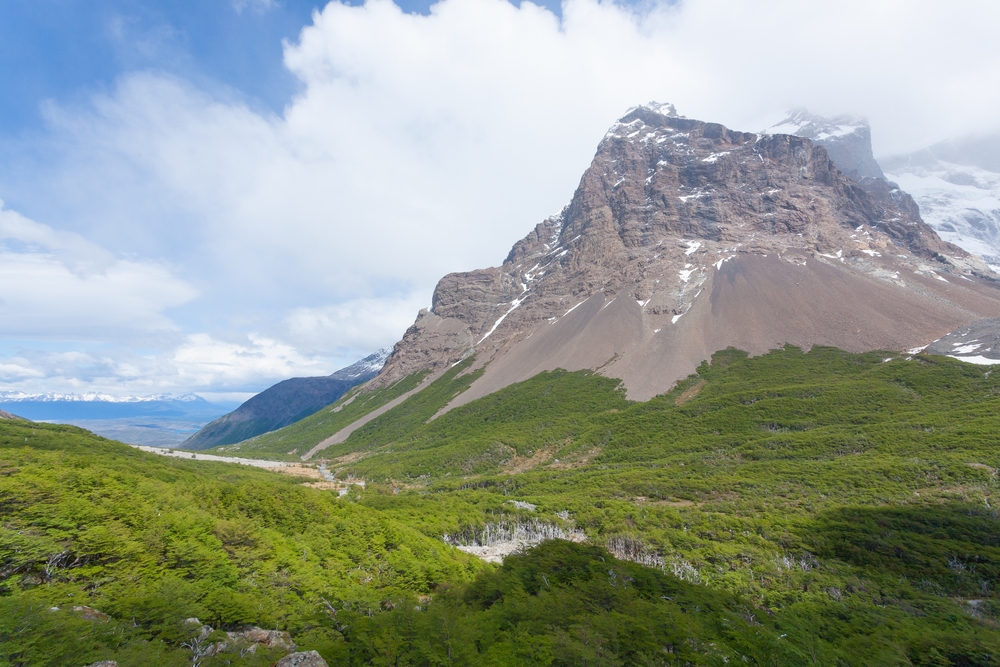
The park typically integrates into a broader Patagonian itinerary from Punta Arenas. A day's sail away, the Beagle Channel extends the maritime experience toward Tierra del Fuego. Further north, the mountain and lake landscapes of Torres del Paine National Park make a classic addition, several hours' drive from Punta Arenas.
Travelers heading north in Chili can also combine this southern stop with the Los Flamencos National Reserve in the Atacama or Lauca National Park on the altiplano.
Frequently Asked Questions
Frequently asked questions
December to March, during the austral summer. Whales frequent the park's waters to feed before their migration to tropical Pacific zones.
Only by boat, primarily by catamaran from Punta Arenas. A secondary departure exists from Riesco Island. No land access is possible.
Short-format visits last one day, but a 2 to 4-day stay on Carlos III Island increases observation chances and allows for combining navigation, kayaking and coastal wildlife.
The Strait of Magellan crossing can be challenging and weather is highly variable. The park appeals more to travelers in good physical condition, prepared to accept itinerary changes.
Yes, on Carlos III Island, around the research center: rooms with shared facilities and an eco-responsible camp. Limited capacity; booking recommended several months in advance.
To integrate Francisco Coloane Park into a Chilean Patagonia itinerary, consult our bespoke Chili trips.
Interested in this visit?
We can include it in your personalised itinerary.