Mercado Central de Santiago
Mercado Central de Santiago
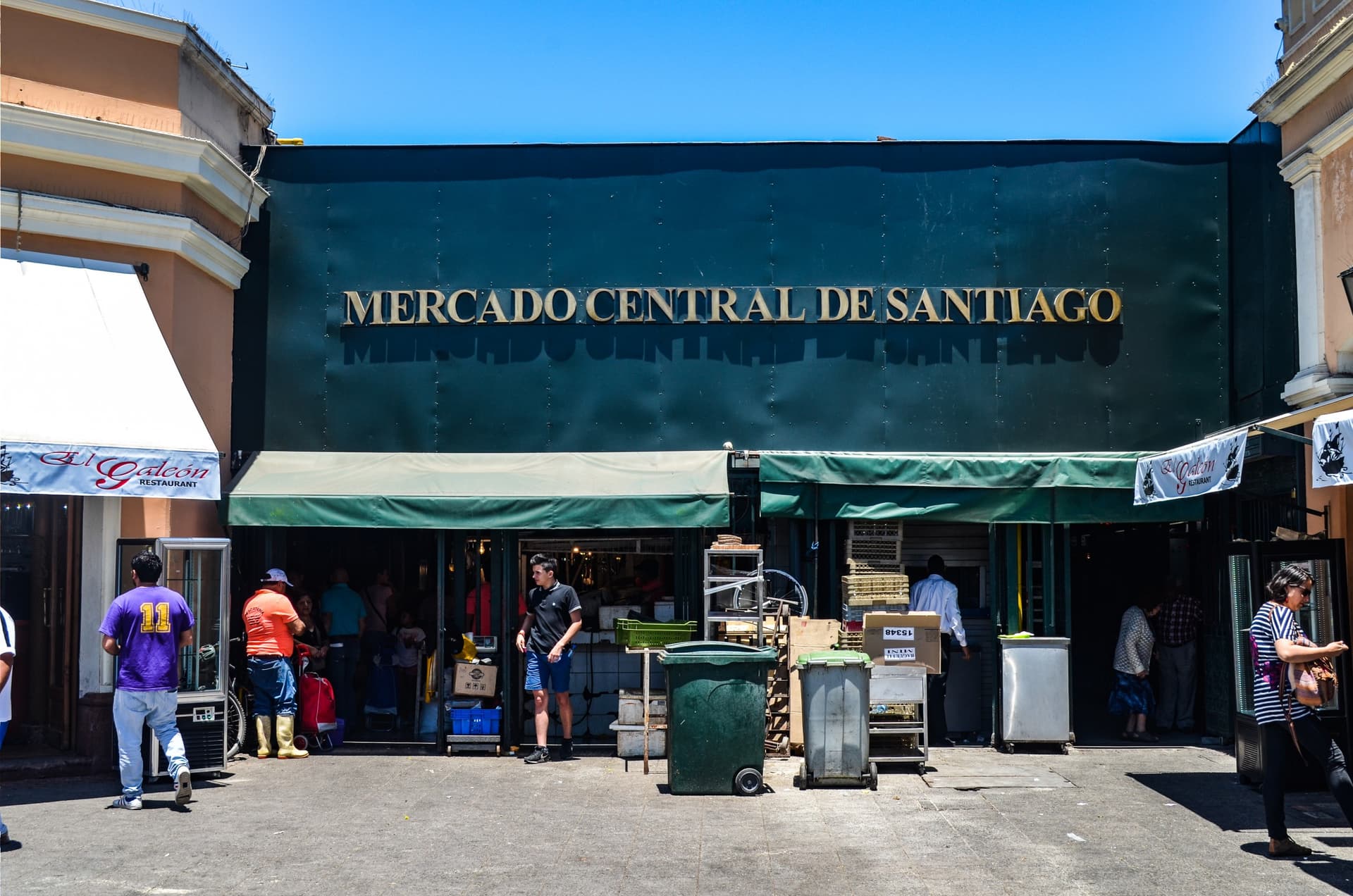
Santiago's emblematic seafood market, Mercado Central blends 1872 neoclassical architecture, fresh seafood stalls and traditional restaurants in a vibrant heritage setting.
Mercado Central de Santiago is the historic fish and seafood market at the heart of Chile's capital. Housed in a neoclassical building dating from 1872 and designated a National Monument, it combines architectural heritage, bustling seafood stalls and traditional restaurants (marisquerías). Visitors come here to understand the Pacific's central role in Chilean cuisine and sample dishes prepared just steps away from the fishmongers' stands.
Why visit Mercado Central
Three compelling reasons warrant a visit during your stay in Santiago:
- Architectural heritage: the late-19th-century metal hall, inscribed on Chile's National Monuments list since 1984, stands as a testament to the engineering prowess of its era.
- A window onto maritime terroir: Chile boasts over 4,000 kilometres of coastline, and Mercado Central showcases a remarkable cross-section of its seafood—from southern sea urchins to conger eels to Chiloé oysters.
- Accessible culinary experience: the marisquerías nestled within the market serve dishes prepared from the day's catch in a popular, unpretentious setting that remains frequented by Santiago residents.
Market history
Commerce in Santiago began along the banks of the río Mapocho. For decades, the Plaza del Abasto served as the market's official seat, until 1864, when fire destroyed the site.
In 1869, Chilean architect Fermín Vivaceta oversaw reconstruction in collaboration with European engineers. The new building, blending neoclassical and Renaissance influences, was completed in 1872 and inaugurated by president Federico Errázuriz Zañartu. The structure underwent major modifications between 1927 and 1930. In 1984, Mercado Central de Santiago was inscribed on Chile's National Monuments list.
The prefabricated metal framework, assembled on-site, illustrates the spread of European industrial techniques throughout South America in the late 19th century.
What to see and do
The fishmongers' stalls
The market's heart remains the seafood section. Here you'll find live sea urchins, lobsters, swordfish, conger eels (an iconic ingredient in Chilean cuisine), oysters and prawns. Vendors sort and display the morning's catch, and it's possible to observe filleting and butchering directly at the stalls.
The marisquerías
Several seafood-specializing restaurants operate within the hall. On the menu: paellas, seafood empanadas, prawn fritters, and traditional Chilean dishes such as paila marina (fish and shellfish broth) or caldillo de congrio. Those less inclined toward seafood will find meat-based and vegetarian options as well.
Interior architecture
Look up: the metal framework, iron arches and central skylight deserve several minutes of observation, independent of the commercial bustle below.
Practical information
- Location: northern edge of Santiago's historic centre, roughly a ten-minute walk from Plaza de Armas.
- Access: Puente Cal y Canto metro station nearby, plus several bus lines. The city's tourist bus also stops at the entrance.
- Visit duration: allow 1 hour for a quick visit, 2–3 hours if you plan to dine on-site.
- Budget: free entry. Meals at marisquerías range from moderate to expensive depending on the establishment; street stalls remain affordable.
- Good to know: restaurants at the market's centre often charge more than those on the periphery, typically for comparable quality.
When to visit
The market springs to life early morning, from dawn onwards, when deliveries arrive and fishmongers set up shop. To witness commercial activity at full intensity, aim for mid-morning. For lunch, arrive before 1 p.m. to avoid weekend crowds, particularly Saturday and Sunday midday when popular marisquerías often reach capacity. The market closes mid-afternoon on weekdays, with extended hours on Friday.
Nearby attractions
Mercado Central's central location makes it easy to combine with other points of interest:
- Parque Forestal: a park bordering the río Mapocho, ideal for a post-lunch stroll.
- Museo de Arte Contemporáneo (MAC): located within Parque Forestal, it features modern and contemporary art exhibitions.
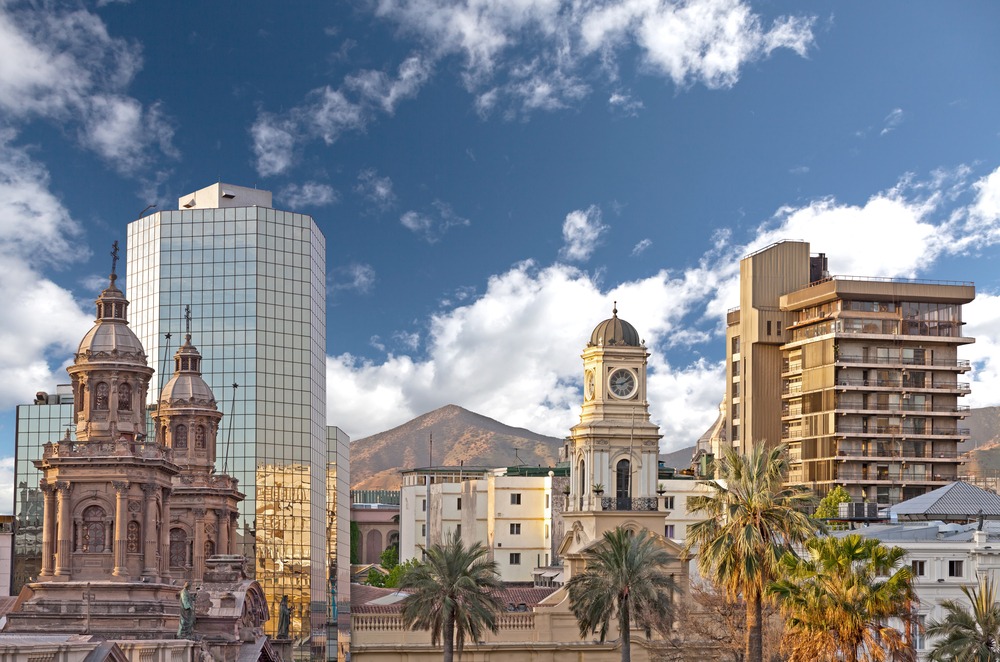
- Plaza de Armas: Santiago's historic plaza, a ten-minute walk away, home to the metropolitan cathedral and the national history museum.
- Mercado La Vega Central: across the river, a more local market frequented by residents for fruits, vegetables and dry goods.
FAQ
Frequently asked questions
Extend your visit
Mercado Central fits naturally into a Santiago itinerary, yet also serves as a stepping stone to understanding the country's culinary culture before exploring further afield—from the volcanic landscapes of the Los Flamencos National Reserve to the El Tatio geysers in the north, or the Beagle Channel at the far south. To build your itinerary, consult our Chile journeys.
Interested in this visit?
We can include it in your personalised itinerary.