La Moneda Palace
La Moneda Palace
Home to Chile's presidency in the heart of Santiago, La Moneda Palace holds two centuries of history, from colonial neoclassicism to the 1973 coup d'État.
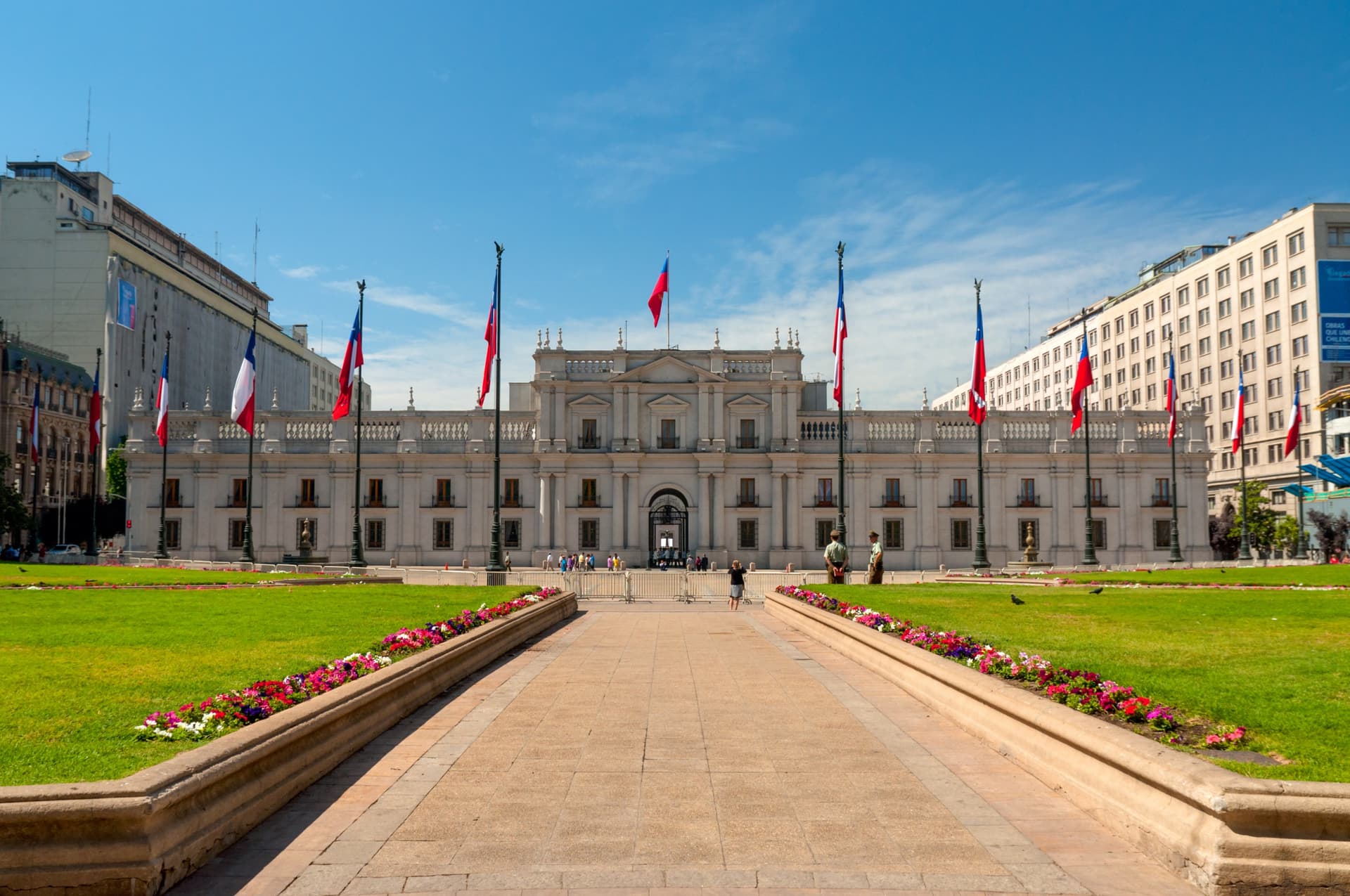
La Moneda Palace, the seat of the presidency of the Republic of Chili, occupies the Plaza de la Constitución in the center of Santiago. This neoclassical edifice designed in the late 18th century concentrates two centuries of Chili's history, from colonial coin minting to the 1973 coup d'État whose traces remain visible on its white façade.
Why visit La Moneda
Three reasons make this visit worthwhile for a traveler passing through Santiago:
- A major neoclassical building in South America, designed by Italian architect Joaquín Toesca.
- A site of political memory: this is where president Salvador Allende died on September 11, 1973, during the bombardment by the Chili air force.
- A presidential palace still in use, accessible by reservation, with a changing of the guard ceremony and exhibitions at the adjacent cultural center.
History of the palace
Construction began around 1786 under Spanish colonial authority. The master builder, Italian architect Joaquín Toesca, mobilized materials from throughout the territory and beyond: limestone from Polpaico, oak and cypress from Valdivia, iron from Biscay, stone extracted from Cerro Blanco and Cerro San Cristóbal. The construction site lasted approximately twenty years and was completed in 1805, shortly before Chili's independence.
The building was initially named Casa Real de Moneda: it served as a coin minting workshop. Between 1814 and 1829, coins of young Chili were produced here. In 1846, the building changed function and became the presidential palace. Manuel Bulnes (1841-1851) was the first head of state to reside here, Gabriel González Videla (1946-1952) the last. Subsequent presidents worked here without living there.
On September 11, 1973, the Chili air force bombed the palace during the coup d'État led by Augusto Pinochet against the Popular Unity government. Salvador Allende died inside. Historian Peter Winn describes this episode as one of the most violent in contemporary Chili's political history. The bullet impacts are still visible on certain parts of the façade.
Restoration in the following decades left several traces: an underground bunker built between 1973 and 1980, the current white façade dating from the mid-1990s, and the reopening in 2003, at the request of president Ricardo Lagos, of the Morandé 80 door. Erected in 1906, this lateral entrance reserved for presidents had been sealed after the coup d'État.
What to see on site
The exterior architecture
Wider than it is tall, the palace displays a marked horizontality characteristic of neoclassicism. The interior courtyard and patios are organized around a symmetrical layout. The Morandé 80 door, on the east side, deserves attention for the symbolic weight it carries.
The changing of the guard
The ceremony takes place every other day, in the morning around 10am, on the Plaza de la Constitución. An infantry unit and a cavalry squadron parade in dress uniforms with musical accompaniment. Plan for about thirty minutes to witness the entire ceremony.
The interior by reservation
Access to interior spaces is only by guided tour, in Spanish or English. The route showcases the official rooms, patios and evokes significant episodes: coin minting, successive presidencies, events of 1973.
The Centro Cultural Palacio La Moneda
Set beneath the Plaza de la Ciudadanía, this cultural center features exhibitions of art and heritage. Access is independent of the palace itself.
Practical information
- Address: Plaza de la Constitución, Libertador General Bernardo O'Higgins Avenue, Santiago Centro.
- Guided tour of the palace: advance reservation required via the official website, multiple time slots per day, Spanish and English languages. Identification requested at entry.
- Rates: palace tour generally free; temporary exhibitions at the Cultural Center at moderate rates, verify on-site.
- Duration: allow 1 to 1.5 hours for the guided tour, more if you combine with the Cultural Center and the changing of the guard.
- Best time: southern spring (September to November) and autumn (April-May) offer the most pleasant temperatures in Santiago.
How to get there
The palace is very well served from any point in central Santiago:
- By metro: La Moneda station on line 1, direct exit onto O'Higgins Avenue. The simplest option.
- On foot: from Plaza de Armas or the Lastarria neighborhood, allow 10 to 15 minutes' walk.
- By taxi or ride-hailing: quick journey from most downtown hotels, outside rush hours.
Nearby attractions
Several sites can be visited on foot in the same outing:
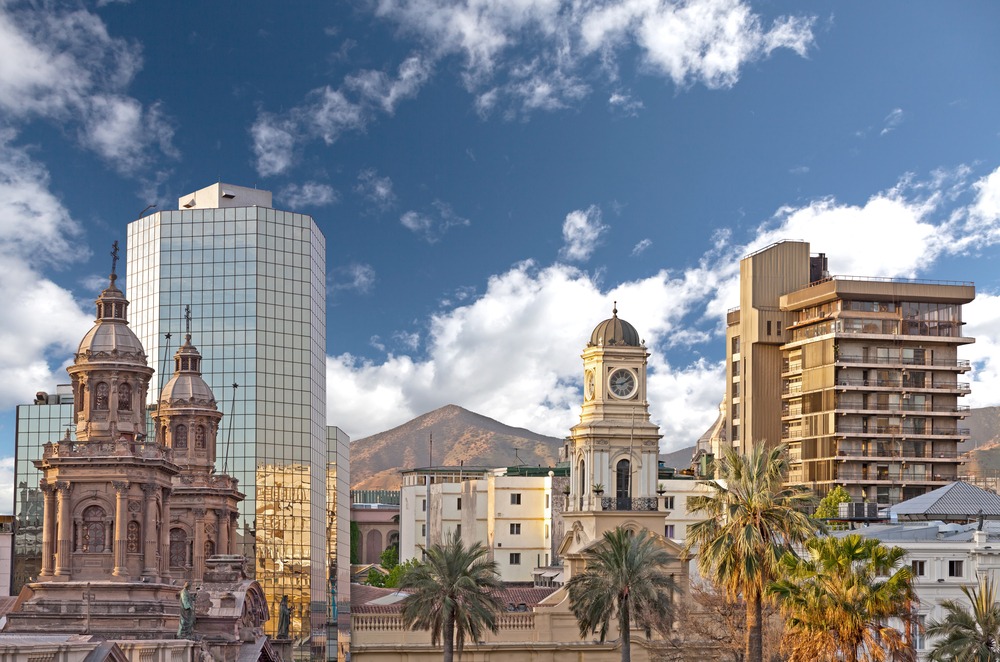
- Santiago's Metropolitan Cathedral, on Plaza de Armas, about ten minutes' walk away.
- The Chili Museum of Pre-Columbian Art, one of the finest collections of pre-Columbian objects in South America.
- The Lastarria neighborhood, a bohemian sector of bars, restaurants and theaters, about 15 minutes' walk to the east.
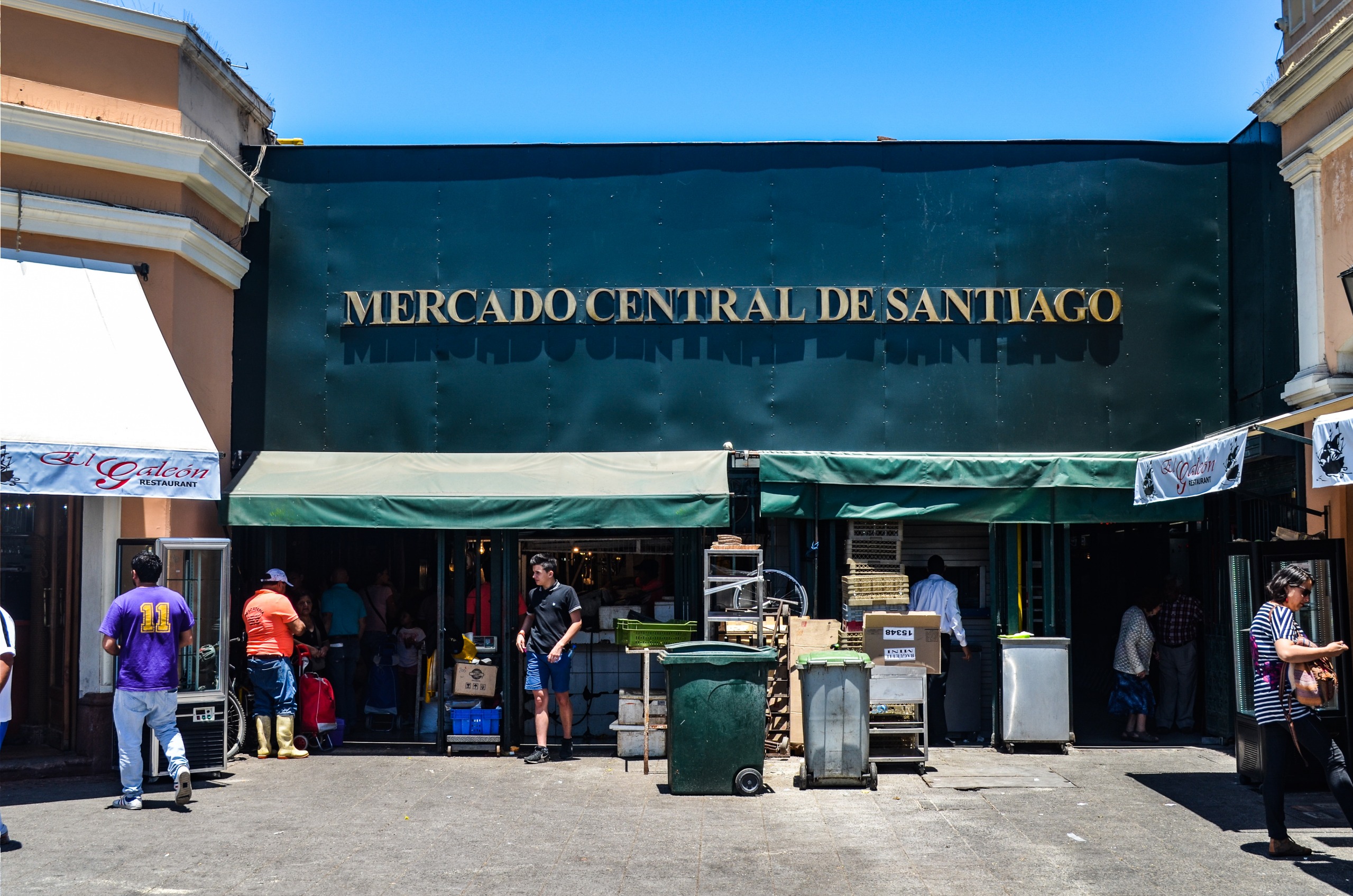
- The Mercado Central, a 19th-century iron market dedicated to seafood products.
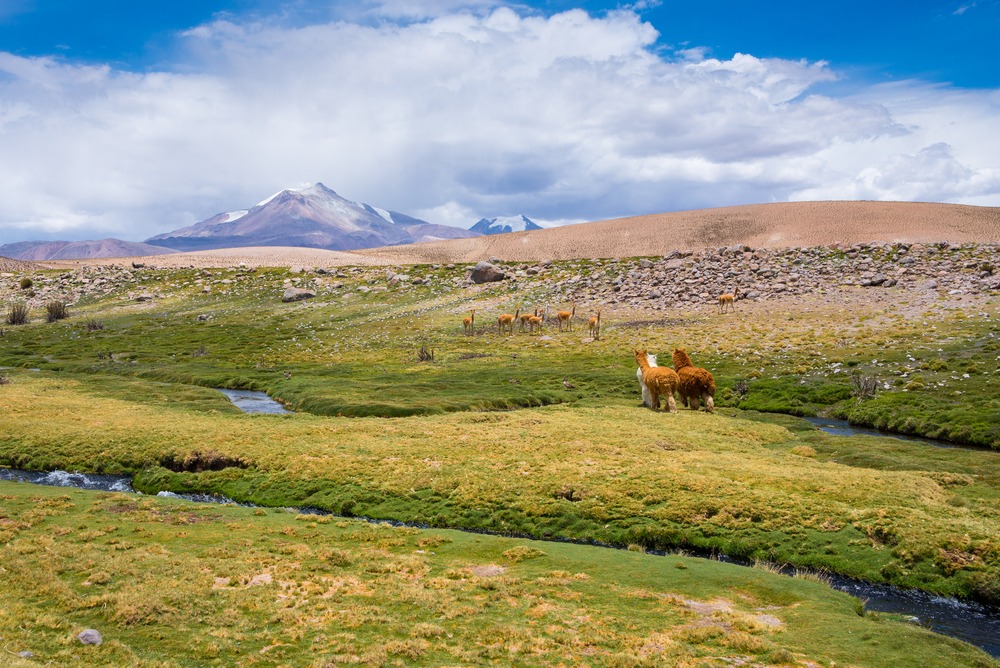
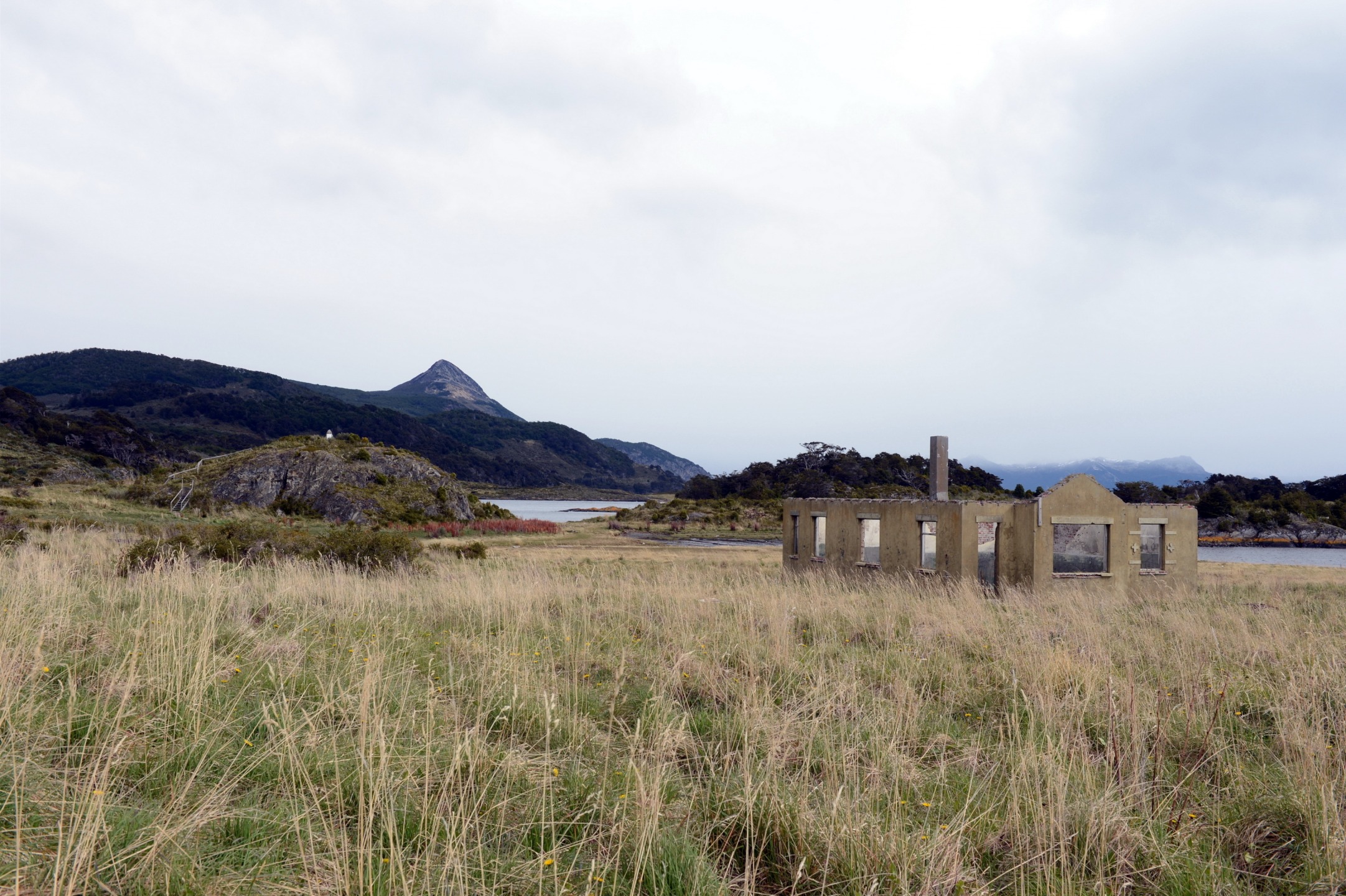
To extend your journey beyond the capital, Chili offers spectacular contrasts: the El Tatio geysers in the Atacama Desert, Lauca National Park on the Altiplano, or the Beagle Channel in Patagonia.
Frequently asked questions
Frequently asked questions
Preparing your trip
La Moneda naturally fits into an itinerary including Santiago, the central valley, Atacama or Patagonia. To build a custom itinerary, consult our suggestions for travel to Chili.
Interested in this visit?
We can include it in your personalised itinerary.