Isluga Volcano National Park
Isluga Volcano National Park
Active volcano at 5,530 m, Aymara villages and high-altitude altiplano: Isluga park, in northern Chili, is visited from Colchane.
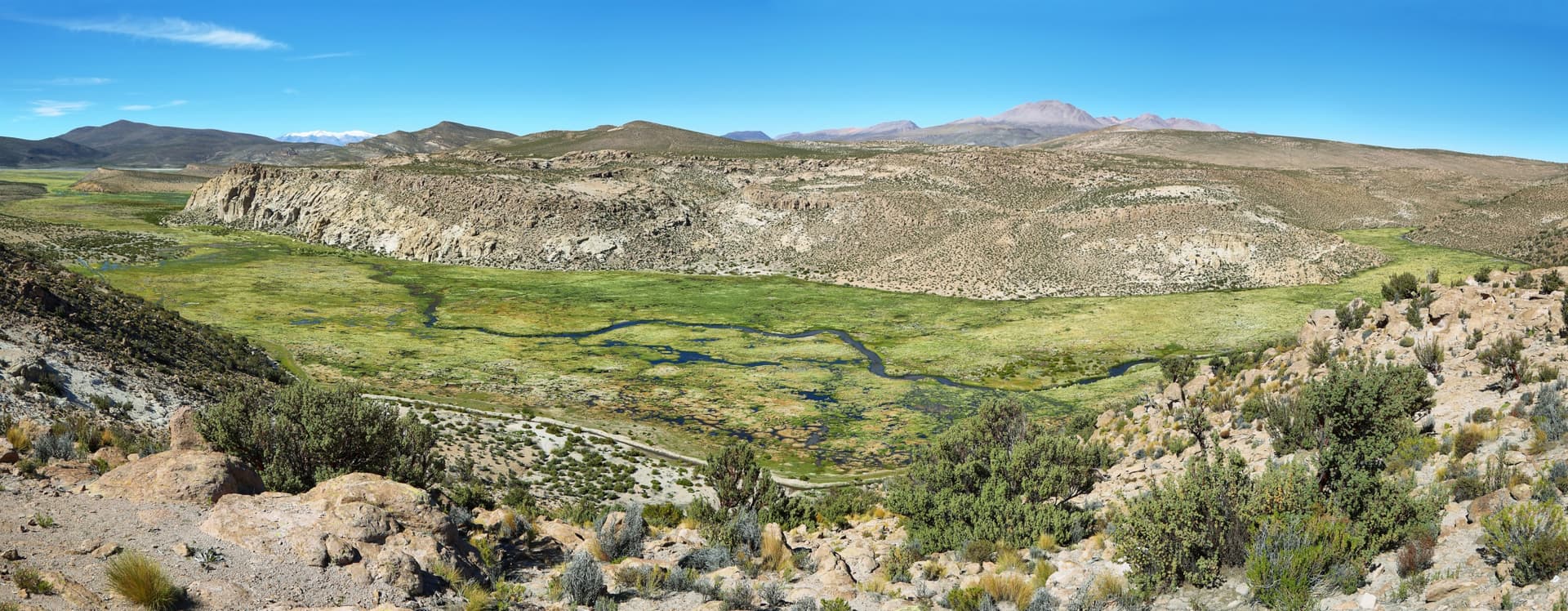
Isluga Volcano National Park stretches across the altiplano of the Tarapacá region, at the far north of Chili, along the Bolivian border. This high-altitude territory combines an active volcano, inhabited Aymara villages and Andean wildlife adapted to extreme conditions. The gateway is the village of Colchane, at approximately 3,700 meters altitude.
Why visit Isluga Park
The park offers three main attractions: a volcanic landscape dominated by the smoking cone of Isluga (5,530 meters), living Aymara villages where colonial churches and traditional stone and thatch architecture persist, and rare high-altitude biodiversity in Chili. Unlike the more frequented sites of the Atacama desert, Isluga remains little visited, making it a privileged observation ground for those interested in Aymara culture and Andean ecosystems.
History and park status
The park was established in 1967 to protect 174,744 hectares of altiplano, bofedales (high-altitude wetlands) and volcanic slopes. It bears the name of Isluga volcano, which peaks at 5,530 meters and remains classified as active, with visible fumaroles from the summit.
The territory has been inhabited for centuries by Aymara communities, who maintain a ritual use of the space. The park is dotted with chullpas, pre-Columbian stone funerary towers, and apachetas, piles of stones marking sacred places and mountain passes. Inhabitants pay homage to Pachamama (Mother Earth), Apus (mountain spirits) and Illas (vital forces), according to Aymara cosmovision.
What to see in the park
Isluga volcano
The volcanic cone is visible across the entire park. Its snow-capped summit and fumaroles dominate the altiplano. Climbing is reserved for experienced and acclimatized mountaineers; for most visitors, observation from the park trails is enough to grasp its scale.
Aymara villages and religious heritage
Several traditional villages dot the park, with their stone houses, thatched roofs and paved squares. The sanctuary of Nuestra Señora del Carmen de Colchane remains an active place of worship. The sun festival (Inti Raymi), which celebrates the winter solstice in June, brings communities together around dances, songs and offerings.
Colonial architecture is evident in the Church of San Andrés de Pisagua and that of San Antonio de Misa Rumi, two modest buildings typical of the Chilean Andean altiplano. Around these villages, chullpas and apachetas recall the stratification of successive cultural layers.
High-altitude fauna and flora
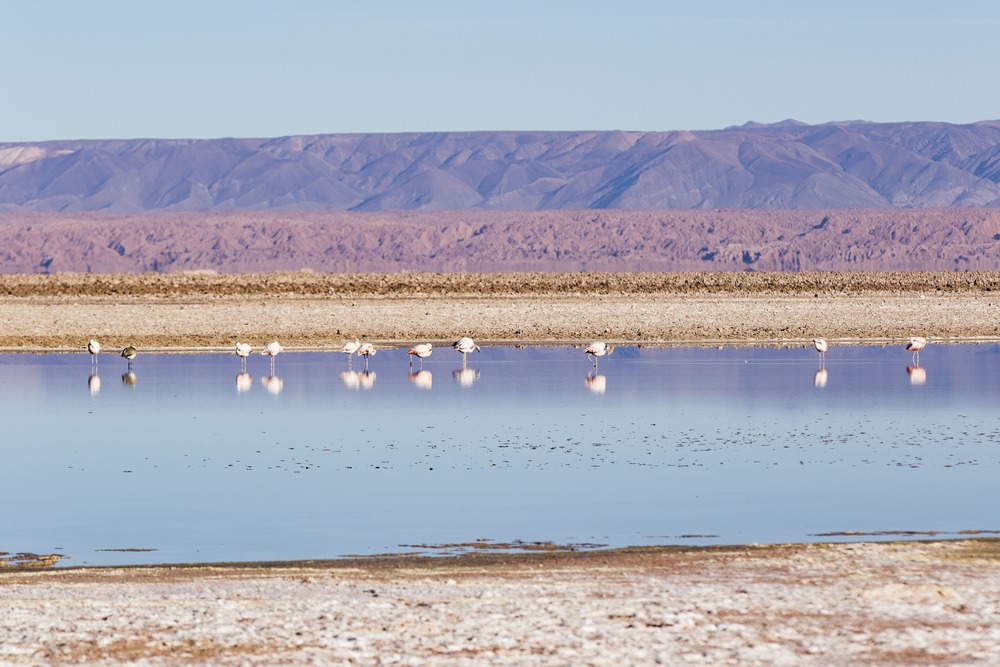
The park is home to vicuñas, Andean foxes, viscachas (rodents related to chinchillas) and nandus (South American ostriches). The bofedales and brackish lagoons welcome flamingos, Andean ducks, condors and hummingbirds. Vegetation is limited to ichu grass tufts, a few cacti and cushion plants adapted to frost and intense solar radiation.
High-altitude skies
The altitude, dry air and absence of light pollution offer night skies of excellent quality. Aymara tradition identifies its own figures in the sky: Yacana (the llama), Chakana (the Southern Cross) and Pachakuti (the serpent), read in the dark clouds of the Milky Way rather than in star clusters.
When to go
The dry season, from May to October, offers the most stable conditions: clear skies, passable trails, maximum visibility of the volcano. Rains, called "Bolivian winter," fall from November to April and can make some trails difficult, but vegetation greens and wildlife is more active.
Temperature swings are significant year-round: up to 25 °C during the day, down to -15 °C at night. The altitude (3,700 to 5,500 meters) requires prior acclimatization and sustained hydration.
How to get there
Access is from Iquique, on the Pacific coast, approximately 300 km via Route 15-CH which gradually climbs to Colchane. The drive takes 4 to 5 hours and crosses the Atacama desert before reaching the altiplano. Buses also connect Iquique to Colchane several times a week. On-site, a high-clearance vehicle is recommended for traveling the park's interior trails.
Practical advice
- Acclimatization: allow at least one night at medium altitude before reaching the park.
- Equipment: layered clothing, high sun protection, UV glasses, plenty of water.
- Accommodation: limited supply in Colchane and a few villages; book in advance.
- Fuel: fill up in Iquique or Huara, stations are rare beyond.
- Respect: villages are inhabited; ask before photographing people or ceremonies.
- A cycling route connects Colchane to Enquelga for acclimatized and fit travelers.
What to combine in the region
Northern Chili lends itself to an extended itinerary. The Lauca National Park, further north in the Arica and Parinacota region, protects Lake Chungará and Parinacota volcano and complements an Isluga visit well. The Azapa valley, near Arica, offers contrast with its oases and Chinchorro archaeological sites. Further south, La Moneda Palace in Santiago marks another historic milestone in the country.
Frequently asked questions
Frequently asked questions
Extend the journey
Isluga park is part of a northern Chili rich in altiplano, oases and Andean heritage. To build a complete itinerary, consult our trips to Chili.
Interested in this visit?
We can include it in your personalised itinerary.