Arica
Arica
At the far north of Chile, Arica blends beaches, ancient mummies and high plateau. Complete guide: what to see, when to visit, how to get there.
At the northernmost tip of Chili, just south of Peru, the charming coastal resort town of Arica attracts numerous travelers. Here's a closer look at the town's highlights.
A Getaway to Arica, Where Beach Meets Mountain Plateau
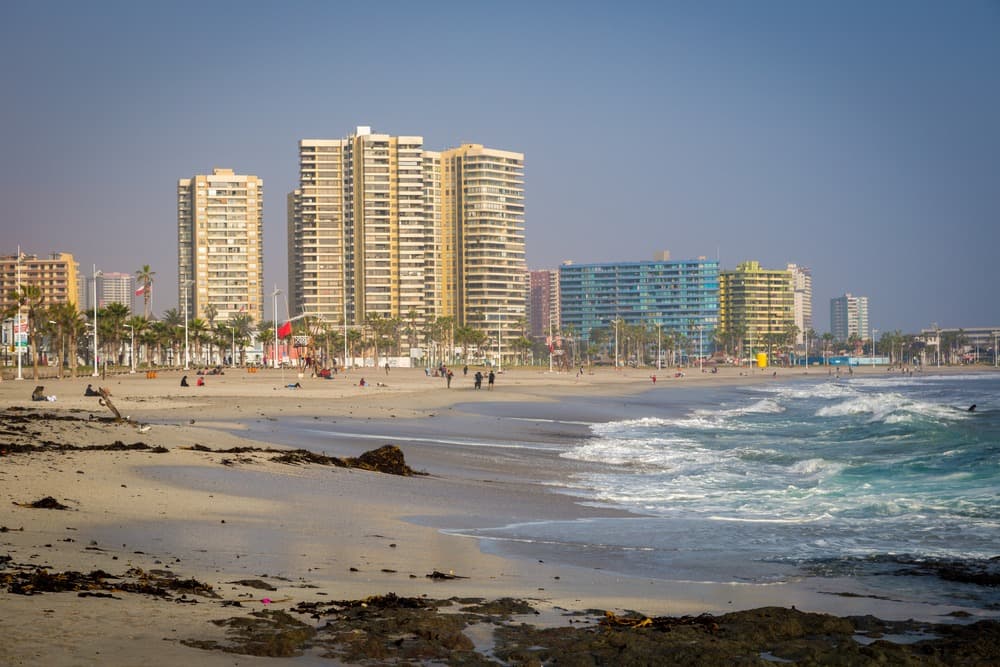
For many travelers, Chili evokes images of a scorching desert. Enter Arica, a resort destination on the northern coast that enjoys eternal spring. An active port, sandy beaches, and pleasant temperatures ranging between 20° and 25°C explain Arica's growing tourism appeal. While strolling through the old town, architecture enthusiasts will delight in examining the monumental creations of Gustave Eiffel, including the Cathedral of Saint Mark in Arica. Colonial history is faithfully documented in the Sitio Colon 10 Museum. However, it's the quality of the natural sites in northern Chili that primarily makes Arica a popular retreat. Hikers stop at local hotels to refresh themselves before venturing to the fertile Azapa oasis dotted with flowers and olive trees, and heading further to Lake Chungara and Lauca National Park. Book a flight to Arica and enjoy an exceptional seaside stay in northern Chili.
The History of Arica
The city's history is tied to its port traffic. It serves as Bolivia's port, a landlocked country without maritime access. From the sixteenth century until the early nineteenth century, Spain governed Arica, freely plundering its marine and mineral wealth. Its port facilitated the export of Bolivian silver extracted from the mines of Potosi.
After the fall of the Spanish Empire, Arica fell under Peruvian control. El Morro—a rock formation south of the city—was the site of a memorable battle between Chilean and Peruvian forces, called the "Battle of Arica". This occurred in the autumn of 1880. The Chileans soundly defeated the Peruvians, emerging victorious in the War of the Pacific. The dispute between the two countries ended in 1929 with the signing of the Treaty of Lima, in which the Peruvian Government agreed to cede Arica to Chili in exchange for sovereignty rights over Tacna.
Today
Arica, the former colony founded by Captain Lucas Martinez de Begazo, today houses nearly 220,000 inhabitants. It has retained its authentic character, as evidenced by the grand residences of the late nineteenth century that line its pedestrian streets. It is unfortunate that, despite its architectural wonders, Arica remains somewhat overlooked by tourists.
A bridge between Peru and Chili, the city of eternal spring is perceived as a road and rail hub rather than a genuine tourism destination. The surrounding valleys receive more visitors.
Must-See Attractions
Coming to Arica means discovering an extraordinary architectural heritage shaped by centuries of Spanish and Peruvian rule. Take the time to explore the old town before traversing the wonders of the Atacama Desert.
Architectural and Historical Heritage
Cathedral of Saint Mark in Arica
Built in the 1870s at the order of President José Balta to compensate for the loss of the Matriz Church, destroyed by an earthquake, the Cathedral of Saint Mark is Arica's mother church. A visit is a must to admire this masterpiece of neo-gothic art.
The Old Railway Station
Near the port and the former customs building, the Arica-La Paz railway station is also a powerful symbol of Arica. Converted into a museum, it displays historic rack railways. Musicians, poets, and men of letters occasionally perform on the platforms.
Christ of Concord
If you climb Morro Hill, the Christ of Concord will command your attention. This monumental statue, 11 meters tall, commemorates the pact of friendship between Chili and Peru after years of hostility.
Museums
Emotional moments await in the city's thematic museums. The Museum of History and Arms highlights the deadly battle that took place in the Morro fortress when the Chileans captured the coast. In the Museum of the Sea, visitors will find a collection of multicolored seashells. But the standout is undoubtedly the Chinchorro Culture Site Museum, dedicated to the funerary art of Chinchorro, a prehistoric tribe that inhabited Arica's coast.
Natural Heritage
Lauca National Park
Clear lakes, rivers, caves, and snow-capped volcanoes compose the magnificent setting of Lauca National Park. Nature lovers will willingly take refuge here. The park harbors pre-Columbian remains.
El Morro
Both for its history and spectacular ocean views, this rocky promontory is worth visiting. A military outpost stood here in the last century. You'll be pleased to learn about the story of the Battle of Arica between Peruvian and Chilean troops.
Coastal Beaches
With 20 kilometers of sandy coastline, Arica's shoreline delights swimmers and caters to those who practice surfing, windsurfing, and bodyboarding. The most popular beaches are El Laucho and La Licorne. The rocky peak is a gathering place for paragliding enthusiasts.
Practical Information
Best Time to Visit Arica
Arica's mild climate allows for off-season vacations. If you travel in the first or last two months of the year, expect hotel prices to spike. Autumn and spring are the best months for budget travel.
To get to Arica, flying is the simplest option. More than one airline, such as Sky Airline, serves Calcutta Airport from major Chilean airports. A distance of 18 kilometers separates Calcutta Airport from the city center.
You'll Love…
Relaxing on the sunny beaches;
Enjoying a 360-degree view from the top of El Morro, an unmissable vantage point and place of memory;
Photographing the magnificent Cathedral of Saint Mark;
Hiking in the Azapa Valley;
Admiring the impressive collection at the San Miguel de Azapa Museum.
Exploring Lauca National Park.
Attractions in Arica
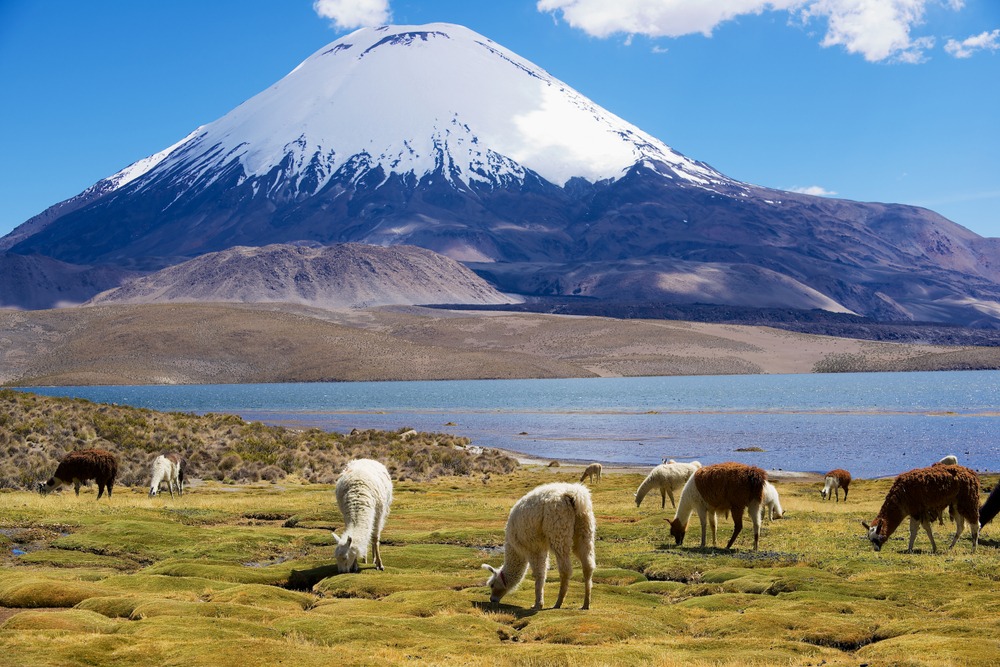
Parc national Lauca
Le parc national Lauca s'étend dans l'altiplano du nord du Chili, à la frontière bolivienne, dans la région d'Arica et Parinacota. Son territoire combine lacs d'altitude, volcans actifs
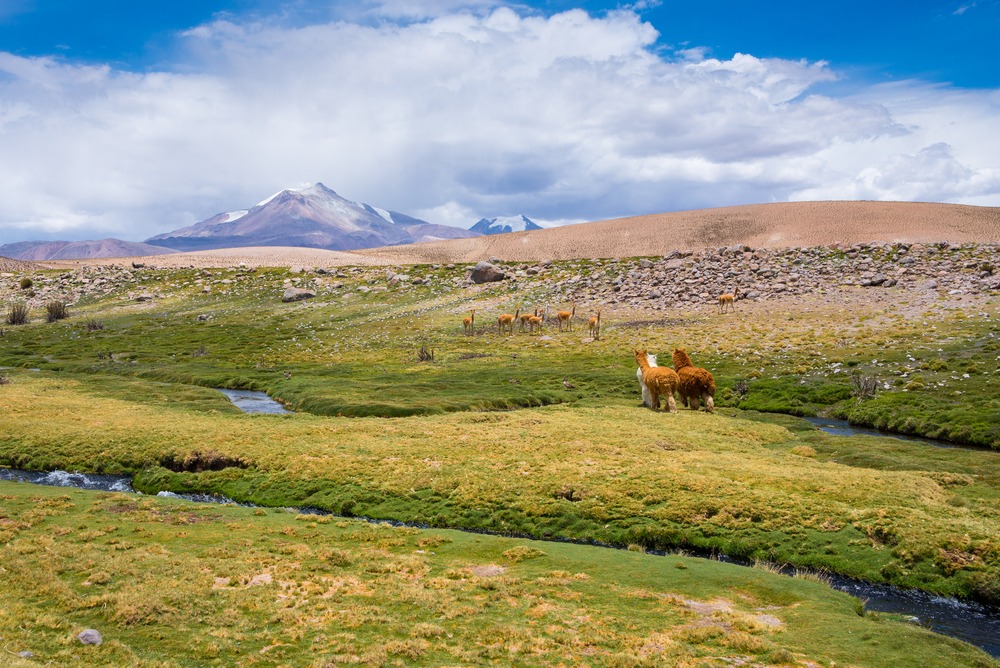
Réserve nationale Las Vicuñas
La réserve nationale Las Vicuñas protège plus de 210 000 hectares d'altiplano andin entre Arica et Parinacota, dans l'extrême nord du Chili
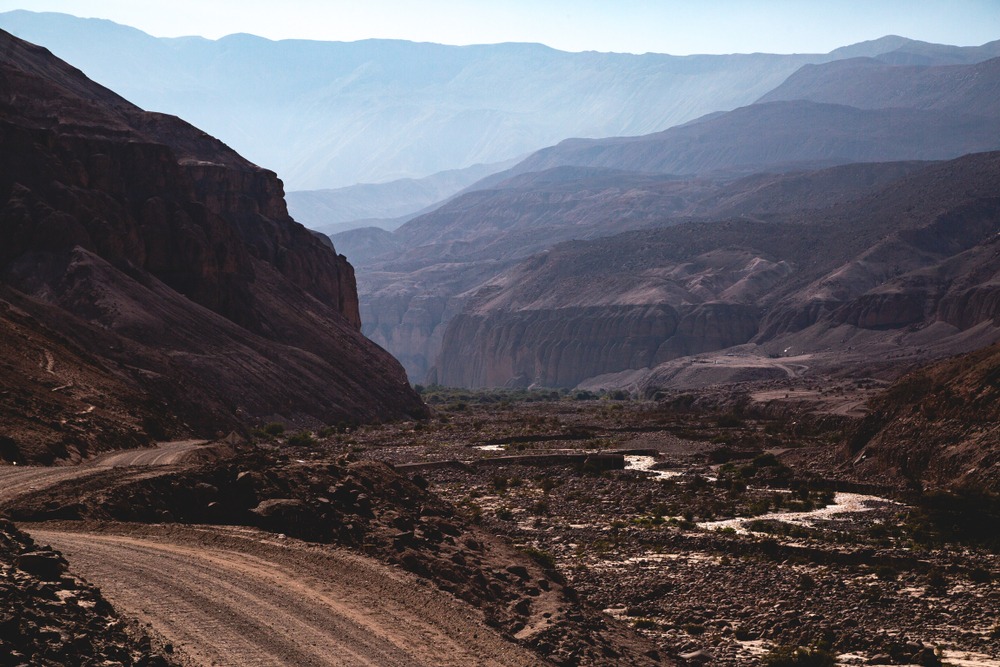
Vallée Azapa
À 13 km du centre-ville d'Arica, la vallée d'Azapa déroule ses plantations d'oliviers et de fruitiers dans l'un des déserts les plus arides de la planète.
Want to discover this destination?
Our local advisors design your tailor-made trip.