Chilean Patagonia
From Puerto Montt to the Strait of Magellan, 1,800 km of fjords, glaciers and windswept steppes, structured around Torres del Paine and the Carretera Austral.
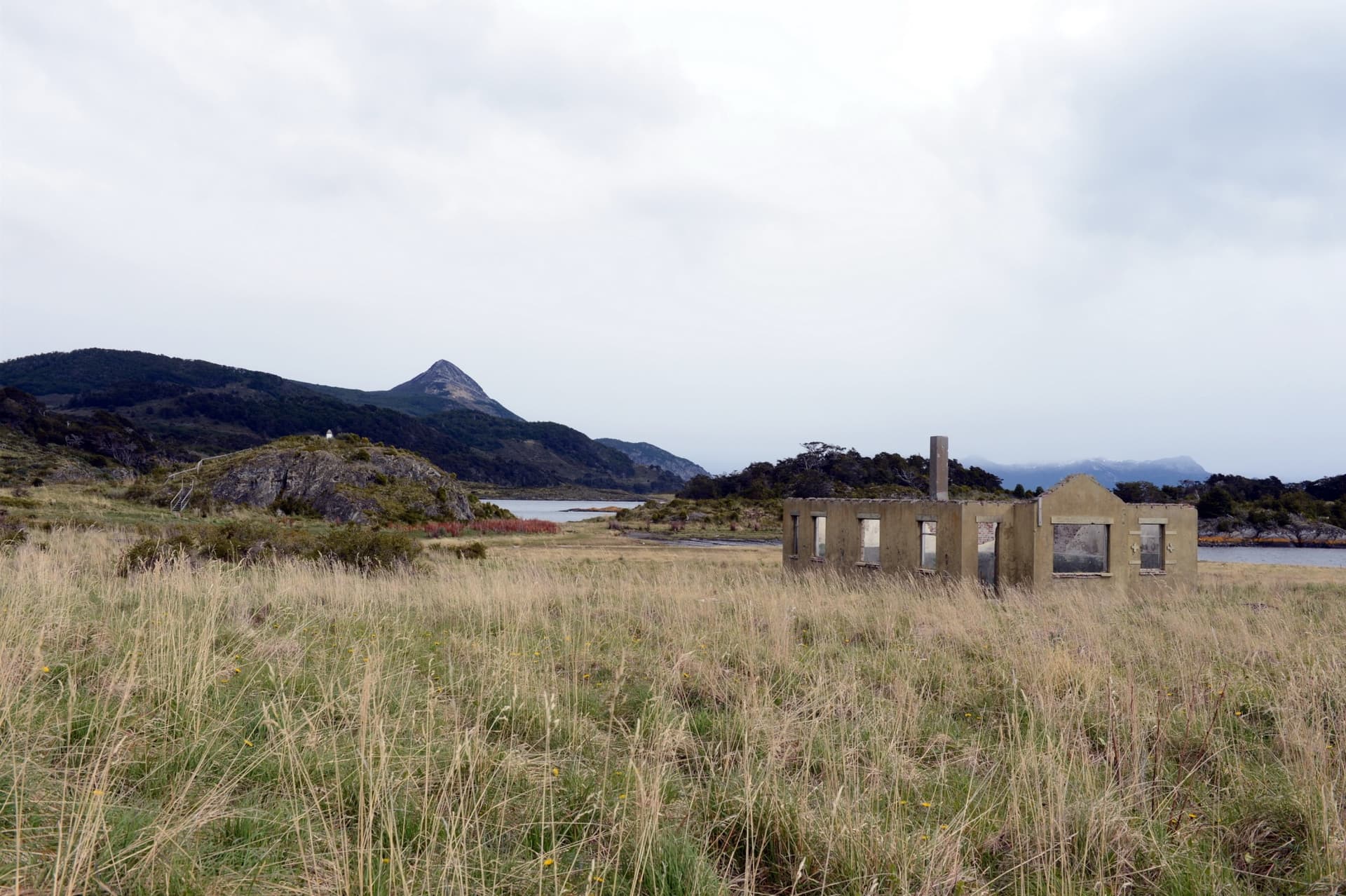
Chilean Patagonia begins at Puerto Montt and stretches some 1,800 km southward to Cape Horn. Our team divides it into two distinct blocs, separated by the Campo de Hielo Sur—southern ice fields—that render overland connection impossible. In the north, the Aysén region and its Carretera Austral, a gravel and asphalt road built during Pinochet's regime, traverses 1,240 km of fjords, coihue forests and settler villages like Puyuhuapi or Caleta Tortel. In the south, the Magallanes region centers on Punta Arenas, a former wool and coal port on the Strait of Magellan, and Puerto Natales, the logistical base for Torres del Paine National Park.
Climate dictates everything. Westerly winds, sweeping across the Pacific for thousands of kilometers without obstacle, strike the cordillera and dump as much as 4,000 mm of annual precipitation on western slopes, while the eastern steppe, facing Argentina and the frontier, receives less than 400 mm. In January, expect 5 to 18°C during the day at Torres del Paine, with gusts regularly exceeding 100 km/h on the passes. This logic of isolated basins explains why each valley exists as a closed world: Cochrane, Villa O'Higgins or Caleta Tortel are connected only by a single road and a few ferries.
Human history reads in layers. The Kawésqar and Yaghan, canoe peoples who navigated naked through the channels until the 19th century, have nearly vanished, decimated by disease and evangelization. A few descendants live in Puerto Edén, on Wellington Island, accessible only by the Navimag ferry linking Puerto Montt to Puerto Natales in four days. European colonization, particularly German and Croatian, left its mark on Punta Arenas: the monumental cemetery and palaces of the Menéndez family, a wool dynasty that owned over one million sheep in the early 20th century, remain worth visiting.
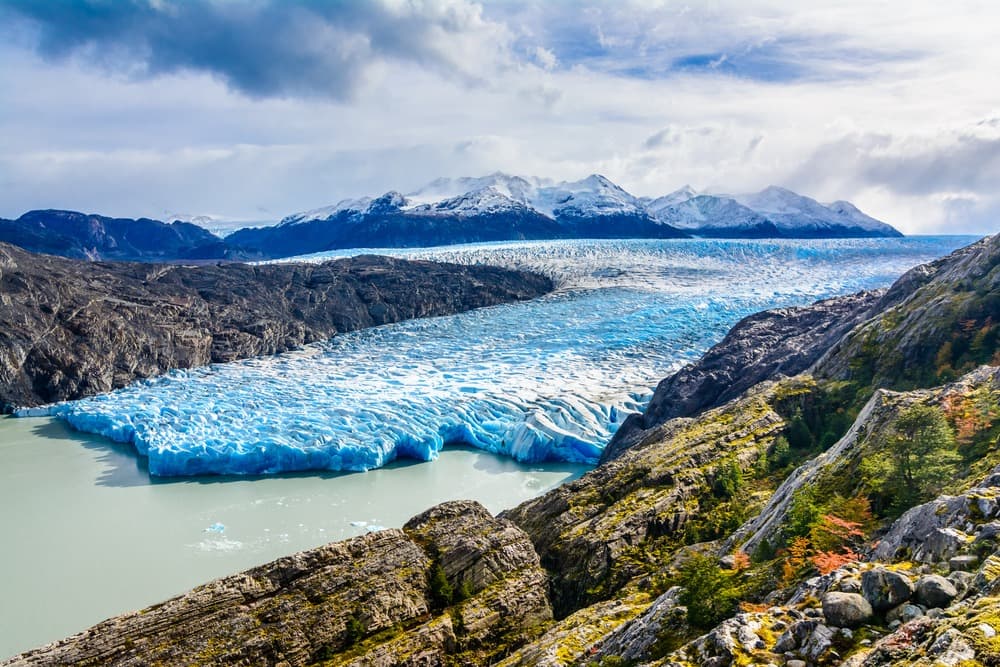
On the natural side, three landscapes structure the itineraries. Torres del Paine National Park, spanning 240,000 hectares, concentrates the granite towers, Grey Glacier and Nordenskjöld and Pehoé lagoons. Patagonia Park, around the Chacabuco valley, a former ranch bought by Tompkins Conservation and gifted to the Chilean state in 2018, harbors guanacos, pumas and huemul against a backdrop of steppe and lagoons. Further north, Queulat Park and its hanging glacier, accessible from the Carretera Austral via a 2.5-hour trek, reveals a forested Patagonia, waterlogged and vastly different from the Magellanic steppe.
Cuisine reflects this isolation. Magallanes lamb roasted on a cross (cordero al palo) at the estancias, centolla—king crab—harvested in the strait from July to November, and the chilote curanto further north on Chiloé are concrete touchstones. On the beverage side, calafate, a small dark berry whose legend says whoever eats it returns to Patagonia, is drunk as liqueur or syrup. Historic estancias like Cerro Guido or Lazo remain active and welcome travelers, offering insight into the wool economy from within.
For the traveler, Chilean Patagonia demands a clear choice upfront. Either target Magallanes and Torres del Paine, reachable in 3 hours 15 minutes by air from Santiago to Punta Arenas—the most popular formula. Or commit to the Carretera Austral, which requires a vehicle, time, and tolerance for ferries and ripio roads. The two don't combine without logistical effort: either return toward Santiago or cross into Argentina via El Calafate.
To discover
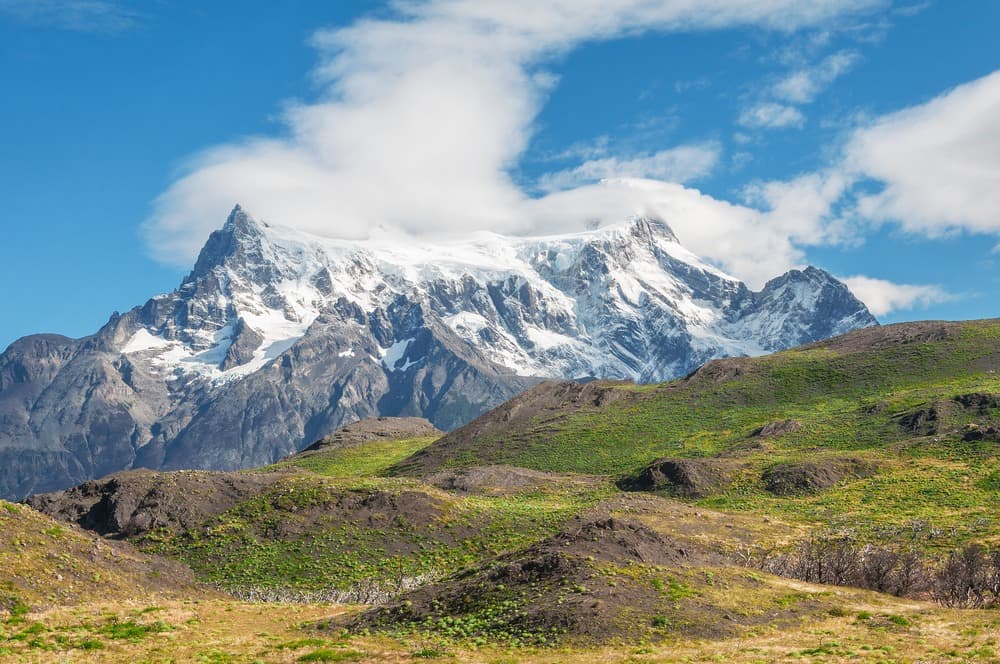
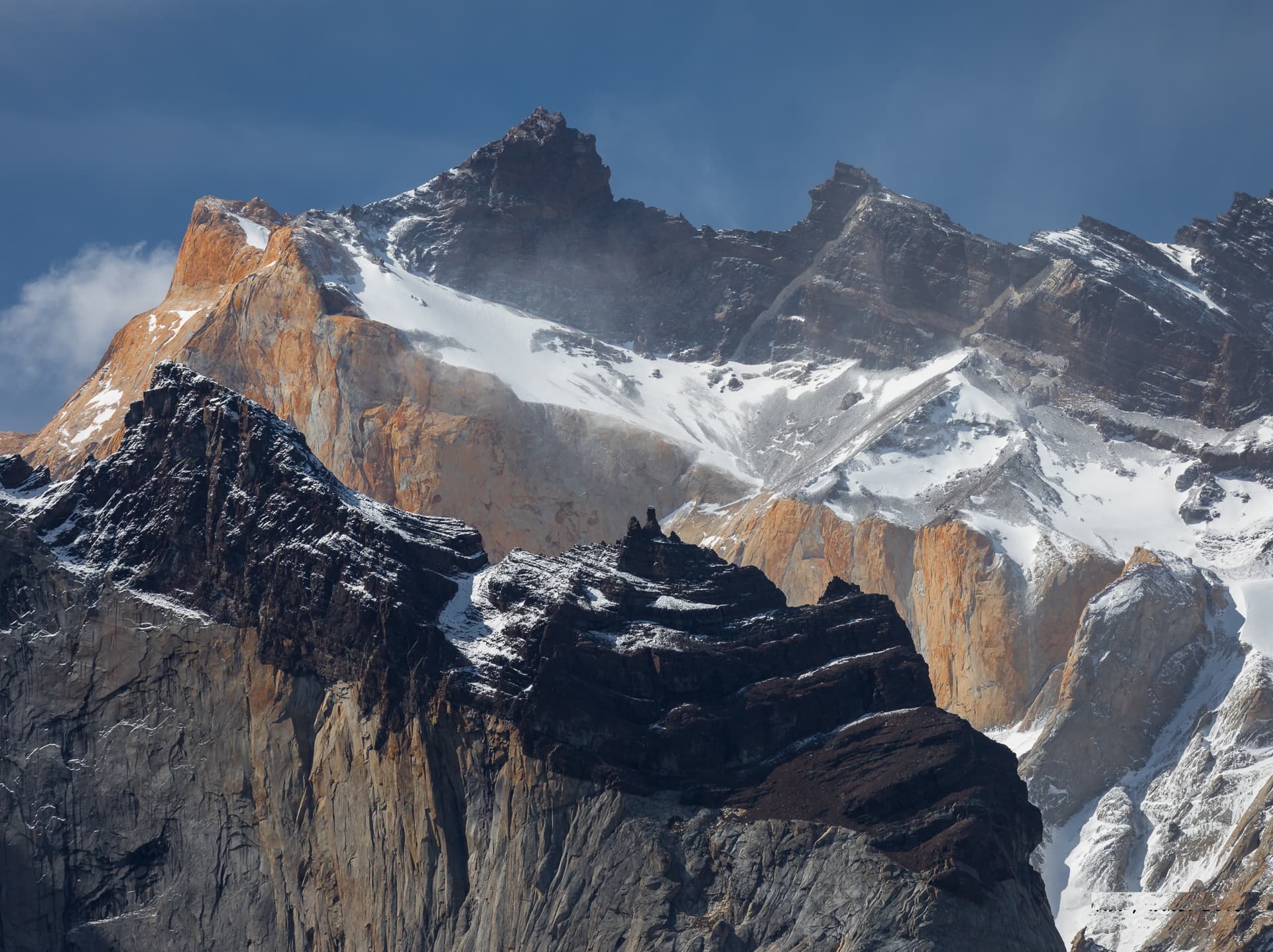
Granite towers of Torres del Paine National Park. The W trek over 5 days crosses the Français valley, Britanico viewpoint and the base of the three towers at 2,850 m. The O variant over 8 to 10 days adds John Gardner pass and the northern face of Grey Glacier.
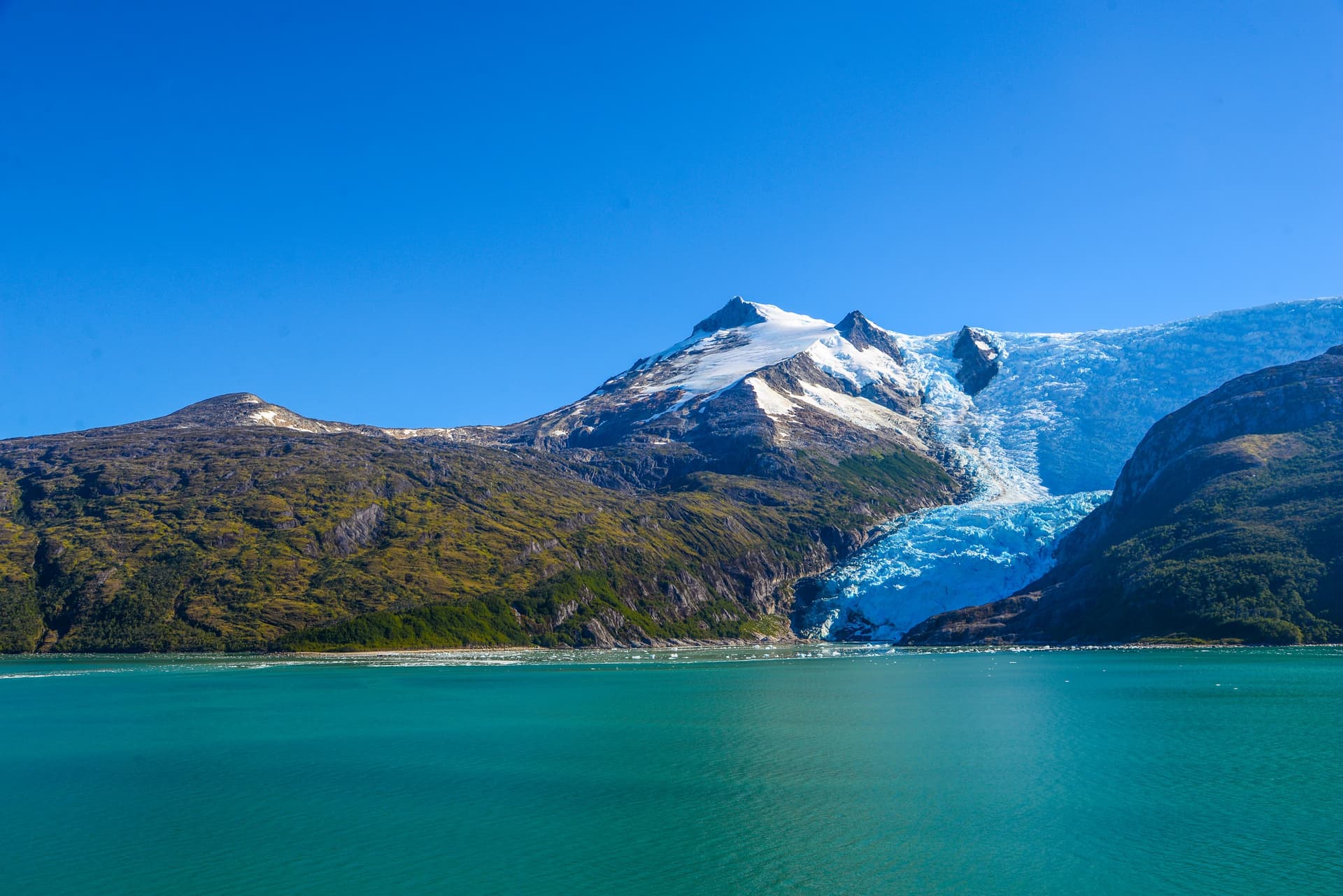
Carretera Austral and Queulat Glacier. 1,240 km of road between Puerto Montt and Villa O'Higgins, punctuated by mandatory ferries. The Queulat hanging glacier is reached in 2.5 hours of hiking from the road, within a Valdivian forest saturated with moisture.
Sheep estancias of Magallanes. Overnight at Cerro Guido or a historic estancia near Puerto Natales, with a horseback ride among herds of Corriedale sheep and dinner of lamb roasted six hours over the fire.
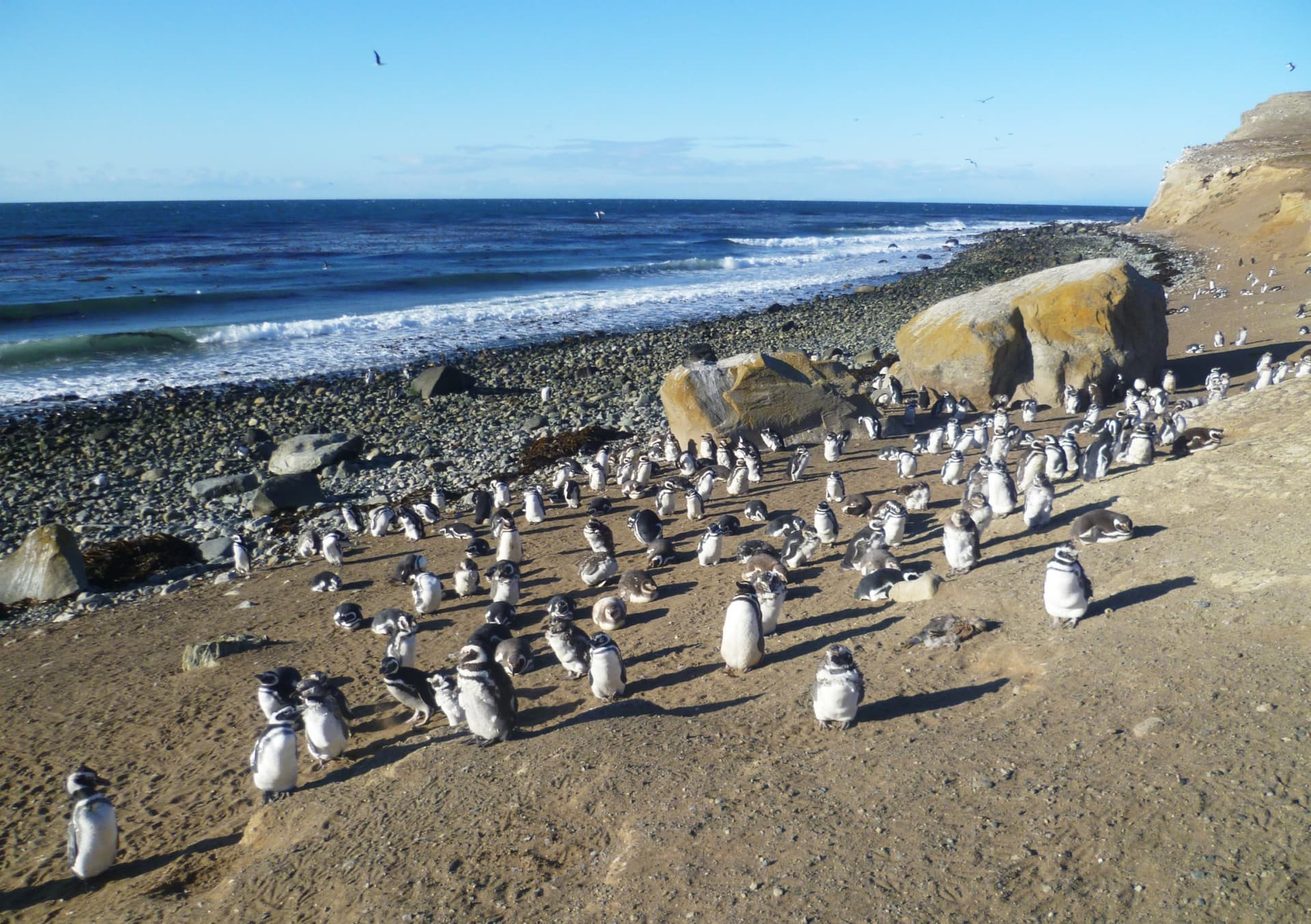
Magellanic penguins at Isla Magdalena. Between November and March, 60,000 breeding pairs nest on this island in the Strait of Magellan, reachable in 2 hours by boat from Punta Arenas. Walk within 1 meter of the birds on a marked trail.
Caleta Tortel, stilt village. No streets, only 7 km of Guaitecas cypress walkways linking houses above the fjord. Departure point for the Jorge Montt and Steffen glaciers by boat.
When to go
The favorable season runs from November to March, peaking in January-February. Temperatures stay cool even at the height of summer: 5 to 18°C during the day at Torres del Paine, sometimes 22°C at Punta Arenas on calm days. Wind is the true parameter. From November to January, gusts regularly exceed 100 km/h on passes and at Las Torres viewpoint, which can complicate hiking for travelers unaccustomed to such conditions. March and early April often offer more stable conditions, with autumn colors on the lengas, and crowds already diminished.
From April to September, the southern winter closes sections of trails, O circuit refuges cease operations between April and October, and several stretches of the Carretera Austral become difficult due to snow and rockfalls. Punta Arenas and Puerto Natales remain accessible year-round and offer raking light in winter that's interesting for photography, but most of our travelers find the experience too constrained. For seasonal king crab and penguins, aim for November to March, when both coincide.
Practical advice
Count a minimum of 6 days on the ground for the classic Magallanes formula: flight Santiago - Punta Arenas, drive to Puerto Natales (3 hours), 3 to 4 days in Torres del Paine, return. To include the full W trek, plan 9 to 10 days. The Carretera Austral demands at least 12 days for a northern section (Puerto Montt to Coyhaique) or southern section (Coyhaique to Villa O'Higgins), and 18 to 21 days for the entirety, 4x4 rental and three ferries included. Refuges and campsites in Torres del Paine National Park book 6 to 9 months in advance for December-February, without exception.
The most coherent combination pairs Patagonia with the Atacama Desert: the country's two climatic extremes, linked by Santiago on domestic flights, over 14 to 16 days. For a more gradual journey, the Lake Region and Araucania serve as a natural transition between the center and Patagonia, by train or car from Puerto Montt. Easter Island factors in only if total duration exceeds three weeks, as it requires a minimum of 4 days and a 5.5-hour flight. Patagonia suits hikers, contemplative travelers ready to contend with the weather, and lovers of vast spaces without cultural density. For families with young children, our team steers toward fixed bases at an estancia rather than long treks.