Climate
Chile is located in the Southern Hemisphere and seasons are therefore reversed compared to the Northern Hemisphere (summer in January-February and winter in July-August). As the country stretches lengthwise (extending over 4000km),
Chile is located in the Southern Hemisphere and seasons are therefore reversed compared to the Northern Hemisphere (summer in January-February and winter in July-August). As the country stretches lengthwise (extending over 4000km), climates range from subtropical in the North to subarctic in the South. Here's a summary by region:
- The world's most arid desert is found in the North. Days are sunny and warm, but temperatures drop quickly and can turn quite cold at night.
- The central regions enjoy a Mediterranean climate, marked mainly by two seasons: mild winters and hot, dry summers.
- The high peaks of the Andes Cordillera feature a typically alpine climate, where you'll find glaciers and eternal snow.
- The Lake District is the most humid region, along with the island of Chiloé.
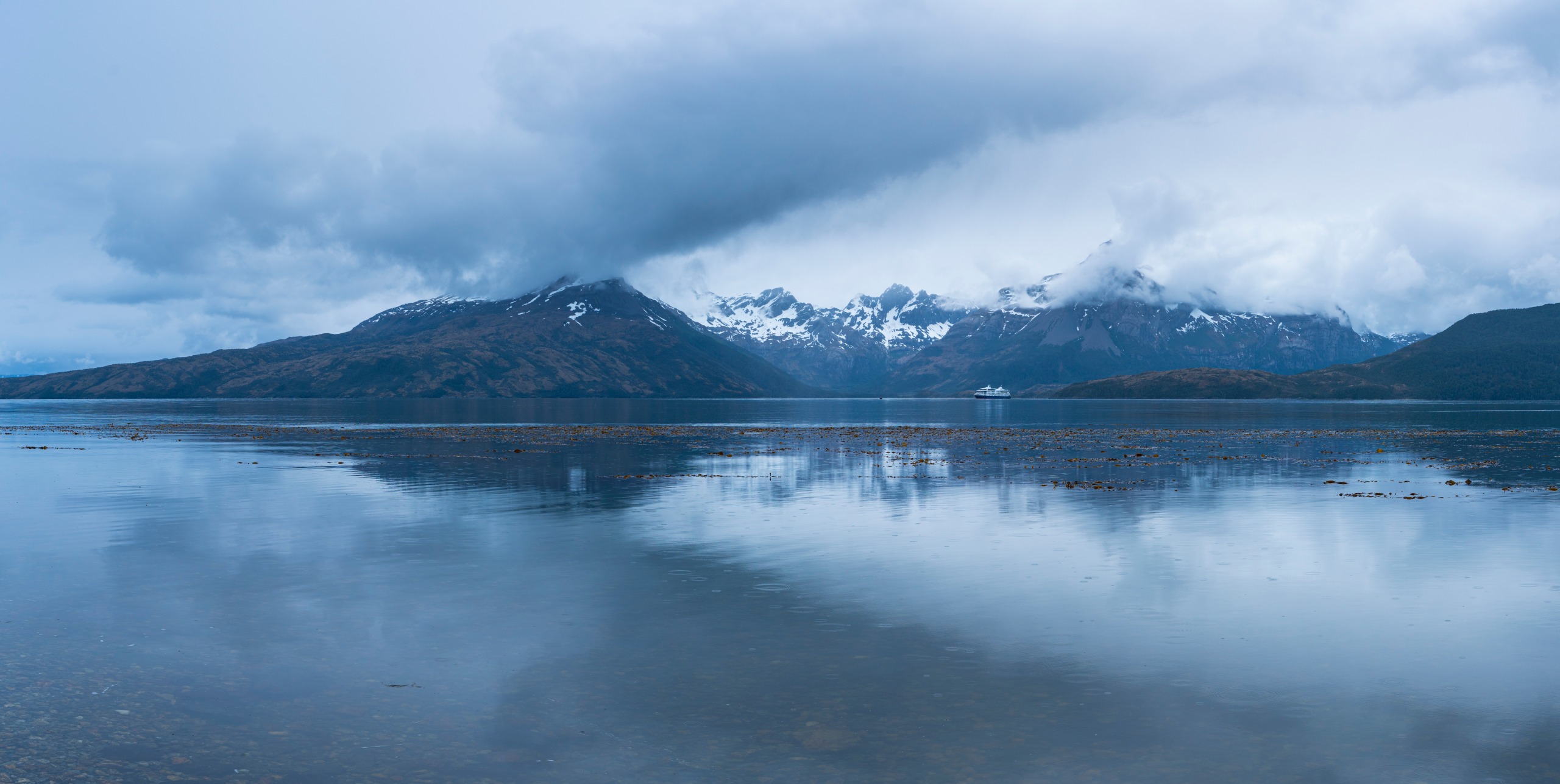
- In Patagonia, the climate is unpredictable—and that's part of its charm. Within a few days, you may experience sunshine, rain, hail, and snow. There's always wind.
- On Easter Island, the climate is generally warm and humid. There's a slight temperature drop between May and September.
In northern Chile, you may suffer from Soroche (altitude sickness), characterized by headaches, nausea, and breathing difficulties. It's advisable to drink plenty of water and avoid alcohol, eat light meals, ensure you're well-rested, and avoid infections (colds, flu, etc.). Aspirin can be used as a preventative. It's always recommended to consult your doctor before traveling.