Top 7 Most Beautiful National Parks in Chile
Stretching over 755,000 km², the Republic of Chile boasts remarkably diverse landscapes. Desert zones, volcanic or oceanic regions, white sand beaches and glaciers
Stretching over 755,000 km², the Republic of Chile boasts remarkably diverse landscapes. Desert zones, volcanic or oceanic regions, white sand beaches or glaciers : the country is a prime destination for trekking, birdwatching and immersive experiences in the heart of wilderness… Ready to take flight? Here's a tour of 7 of Chile's most beautiful national parks!
1. Lauca National Park: a birdwatcher's paradise
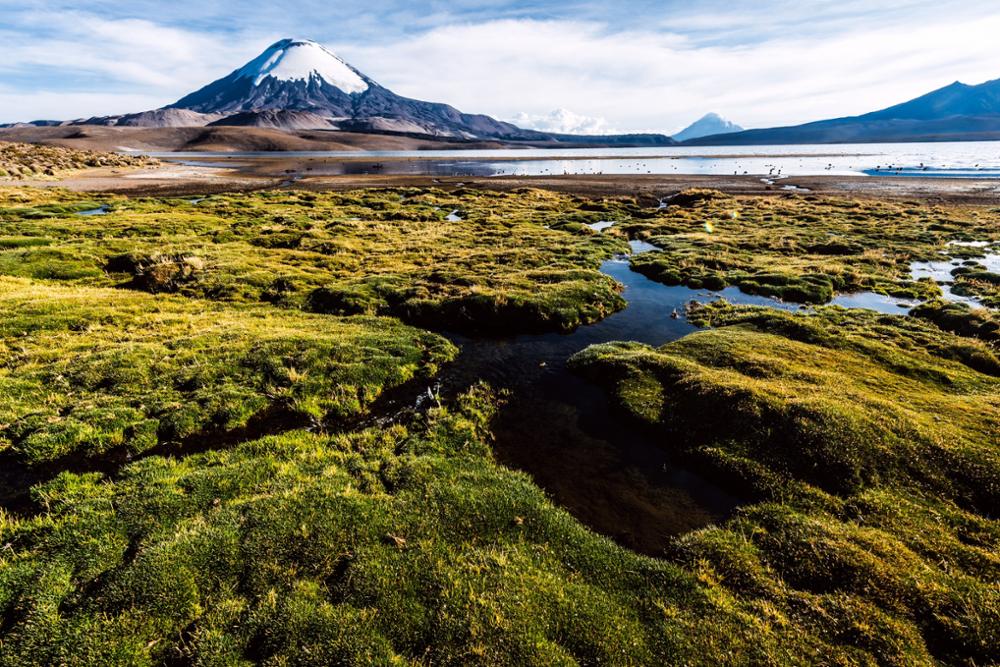
Located in Parinacota Province, Lauca National Park spans more than 130,000 hectares. The site (part of the Las Vicuñas National Reserve) features several volcanoes, geysers, hot springs, lakes, lagoons and abundant flora…
You'll notably encounter the unique Azorella compacta! An endemic plant that may remind you of a vegetative lava flow or a massive moss cushion… As for fauna? Lauca National Park is home to 130 bird species (including pink flamingos), as well as guanacos, rheas and viscachas…
2. Pan de Azúcar National Park – one of Chile's most beautiful parks
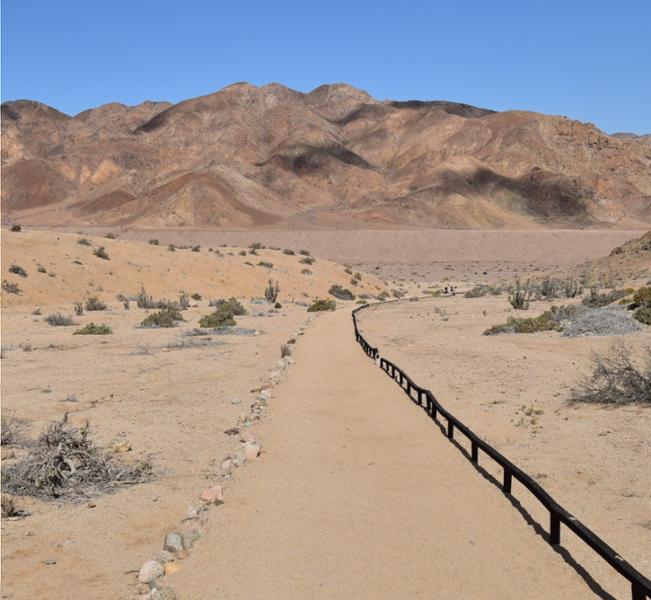
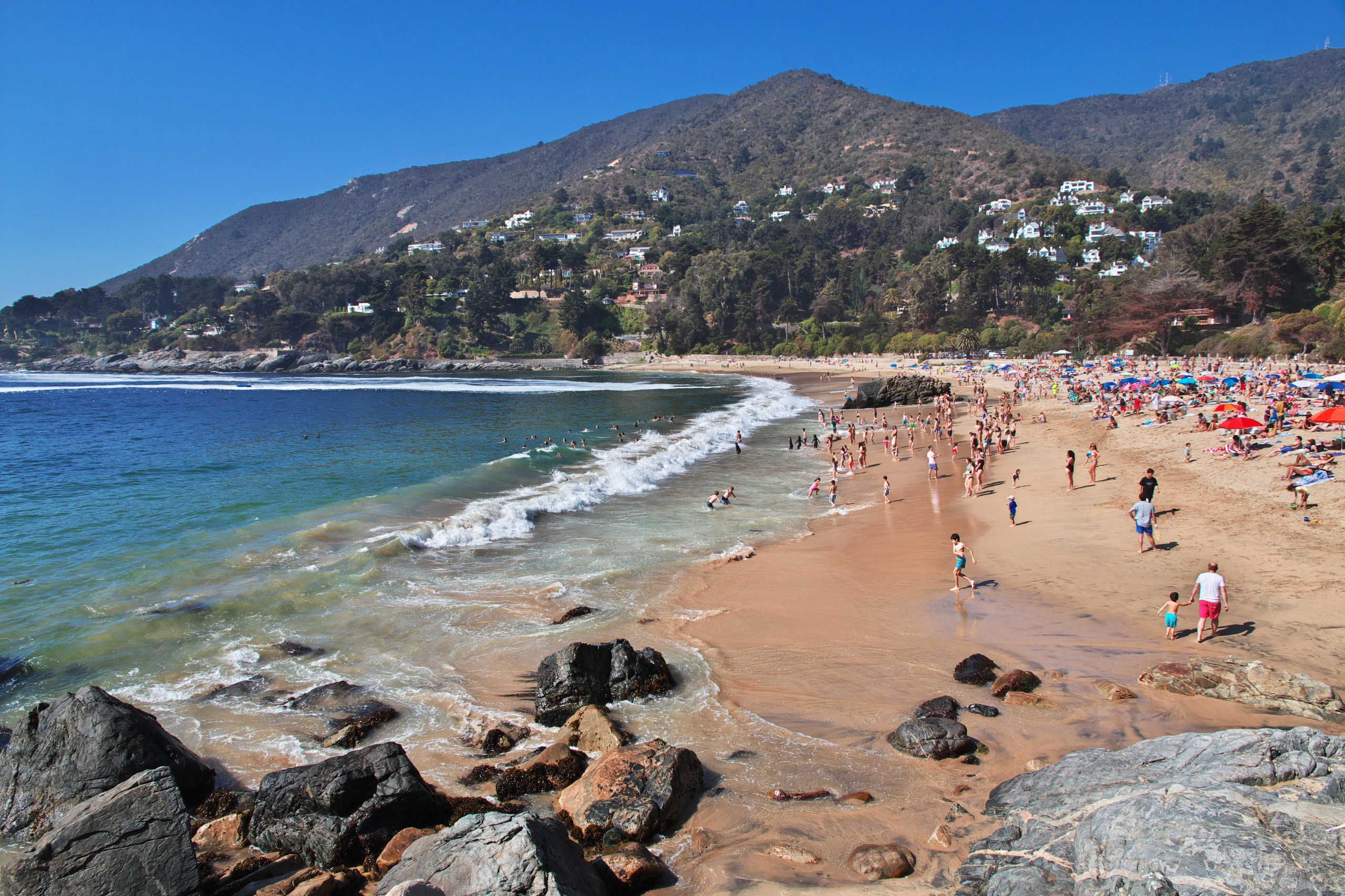
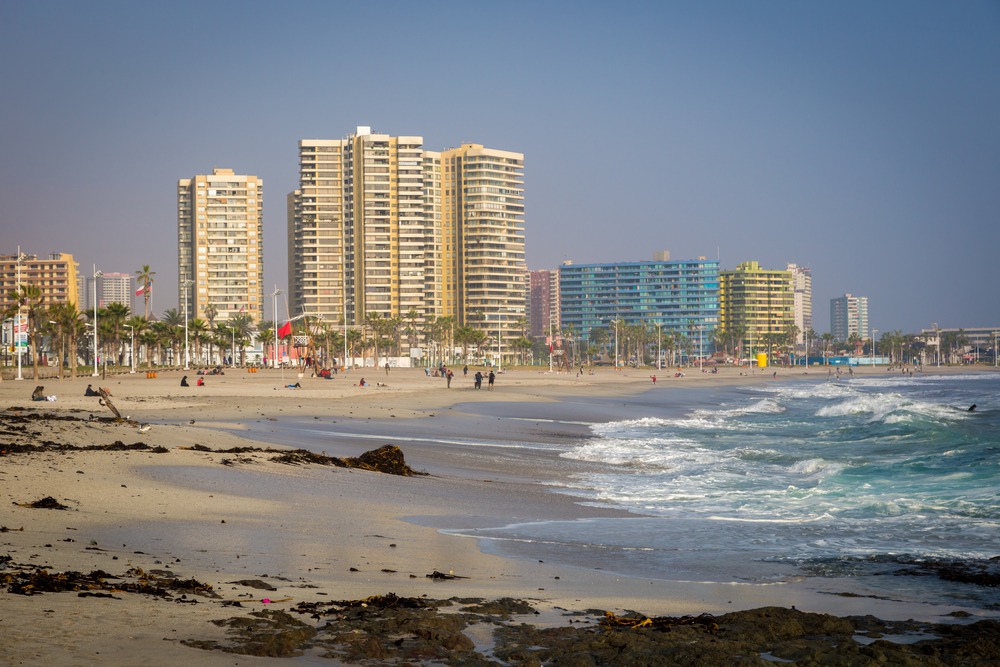
Spanning the regions of Antofagasta and Atacama, Pan de Azúcar National Park is renowned for its remarkable diversity. Indeed, the site features desert zones – dotted with cacti – as well as an oceanic coastline, with white sand beaches and crystal-clear waters.
Little visited, this 44-hectare park will give you the impression of exploring several different regions during your excursion! Far from the crowds, you'll have time to admire foxes and sea lions…
3. La Campana National Park: THE place to admire Chile's palm trees
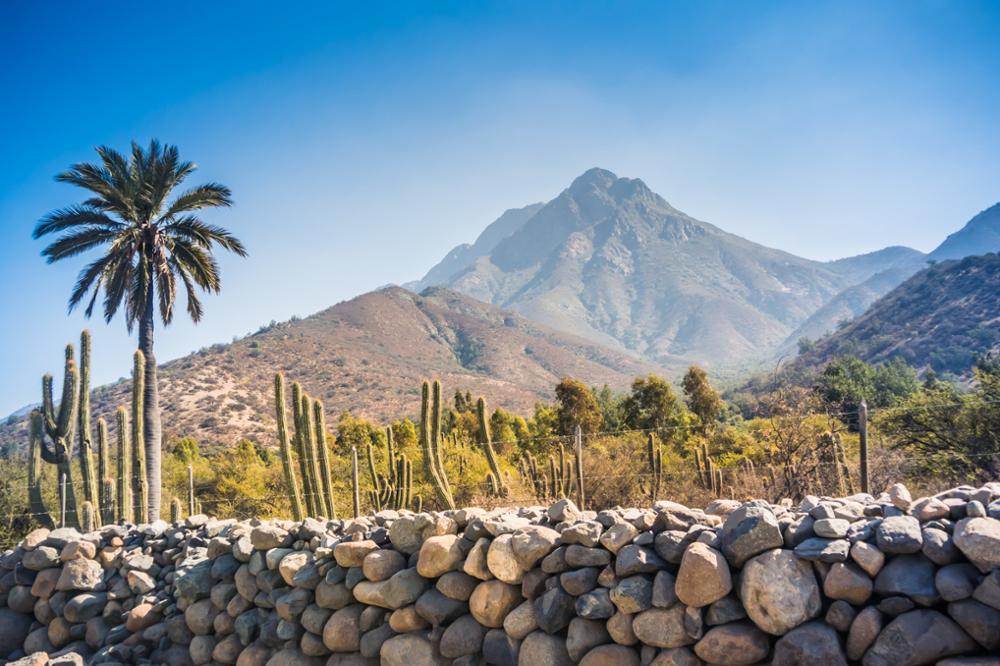
In the Valparaíso region, you'll find La Campana National Park. Created in the late 1960s, it is managed by Corporación Nacional Forestal (CONAF) – an organization dedicated to conserving the country's forest ecosystems.
Renowned for its rich flora and fauna, the park is particularly known for its magnificent Jubaea chilensis, known as the "Chilean coconut palms." These endemic trees can reach 30 meters in height – and live for over a century!
During your hike, you'll also spot condors, foxes… and large hairy spiders. A tip? Wear sturdy hiking boots to explore this park – designated a UNESCO Biosphere Reserve.
4. Rapa Nui National Park: the jewel of Easter Island
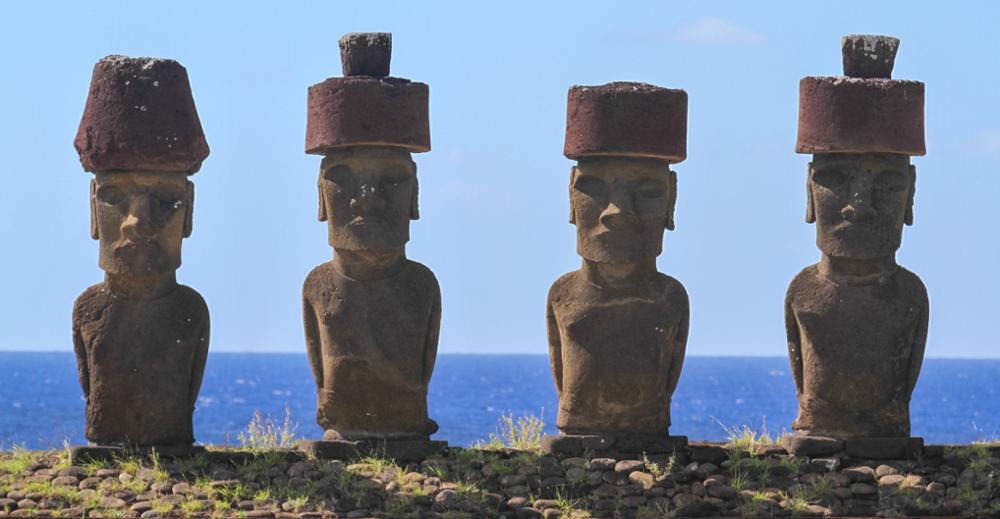
Located 3,700 kilometers off Chile's coast, Easter Island (or Rapa Nui) spans 164 km². Once annexed by the Spanish and French, the island is today a protected zone of Chile, inscribed on the UNESCO World Heritage List.
Rapa Nui is known for its stone statues, erected on the slopes of Rano Raraku volcano. These monumental stone sculptures (named Moaï) date from the megalithic period and depict standing figures facing the sea.
5. Chiloé National Park: an island off Chile's coast
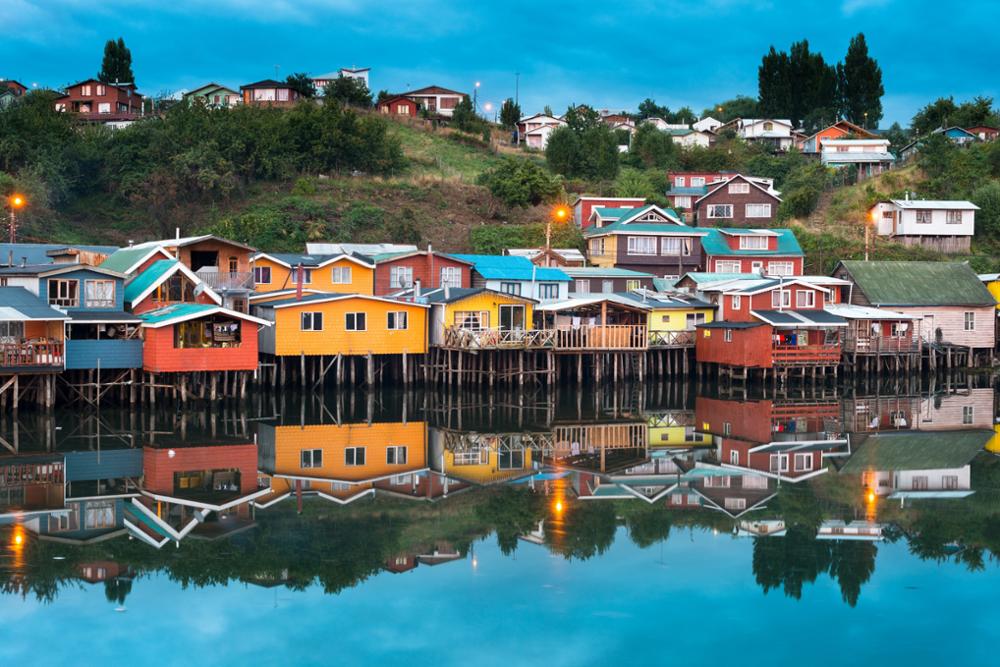
Celebrated for its colorful stilt houses and wooden churches listed by UNESCO, Chiloé Island is also sought after for its national park. A true paradise for hikers, it's equally appealing for nature enthusiasts…
Its iconic animals? Pudu deer (small deer about the size of a hare!), sea lions, marsupials and whales – whose migration can be observed between April and May, particularly along the Puñihuil coast.
6. Laguna San Rafael National Park: a treasure in the Aysén region
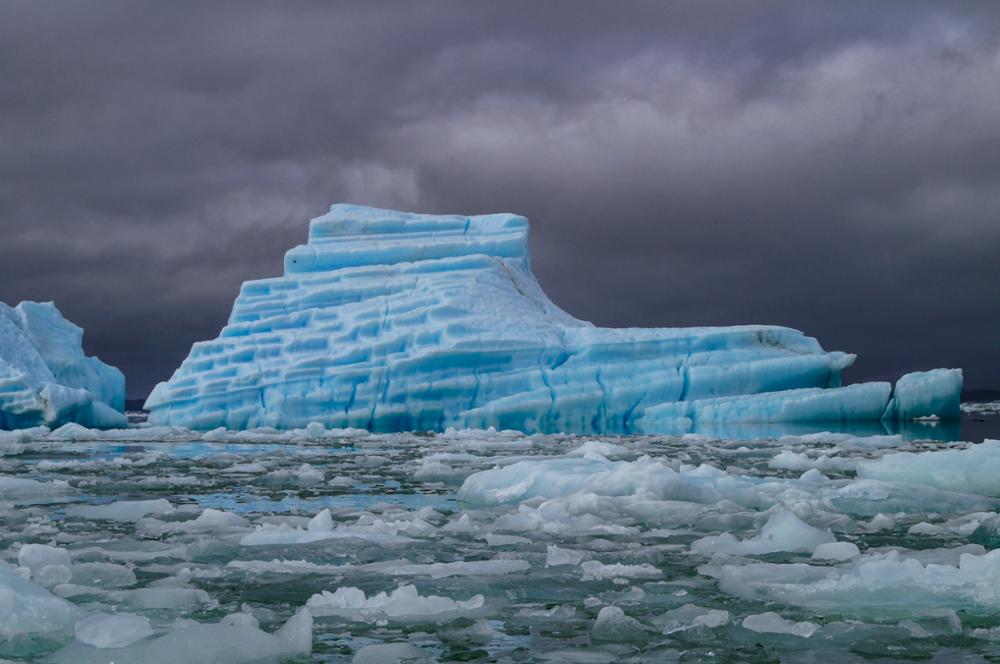
Located in Aysen Province, Parque Nacional Laguna San Rafael is home to San Rafael Glacier. Standing at the center of the eponymous lagoon, this glacier can be approached by catamaran or kayak. Excursions are offered daily from Puerto Rio Tranquilo (the closest town to the glacier).
The park is also recognized for its biodiversity. Among the numerous animals present on the site, you'll have the chance to spot cormorants, swans, sea elephants, chungungos (marine otters) and dolphins!
7. Torres del Paine Park in Chilean Patagonia: an essential natural reserve
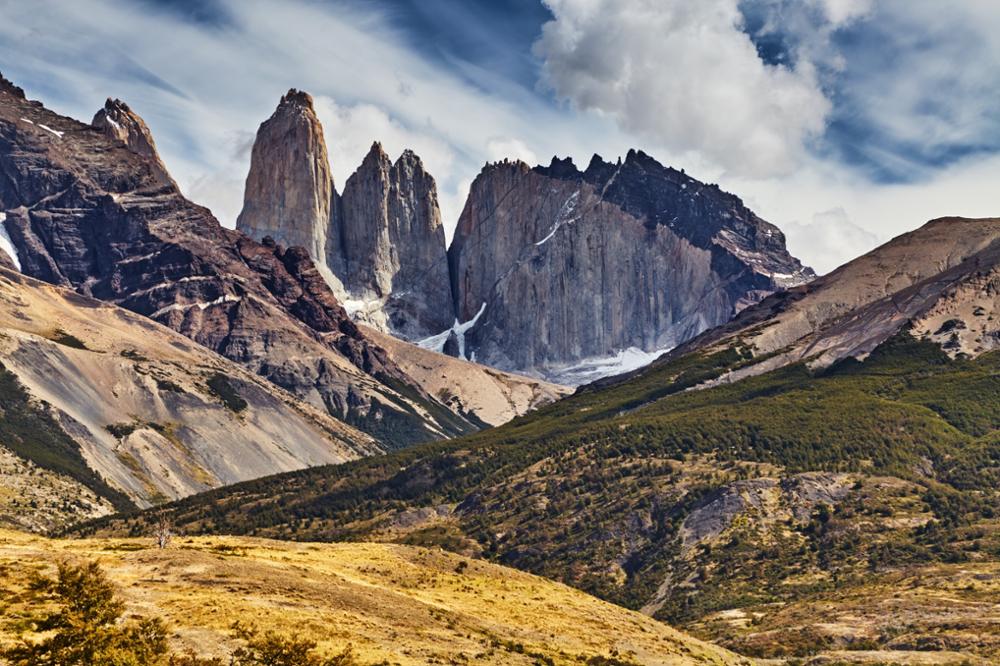
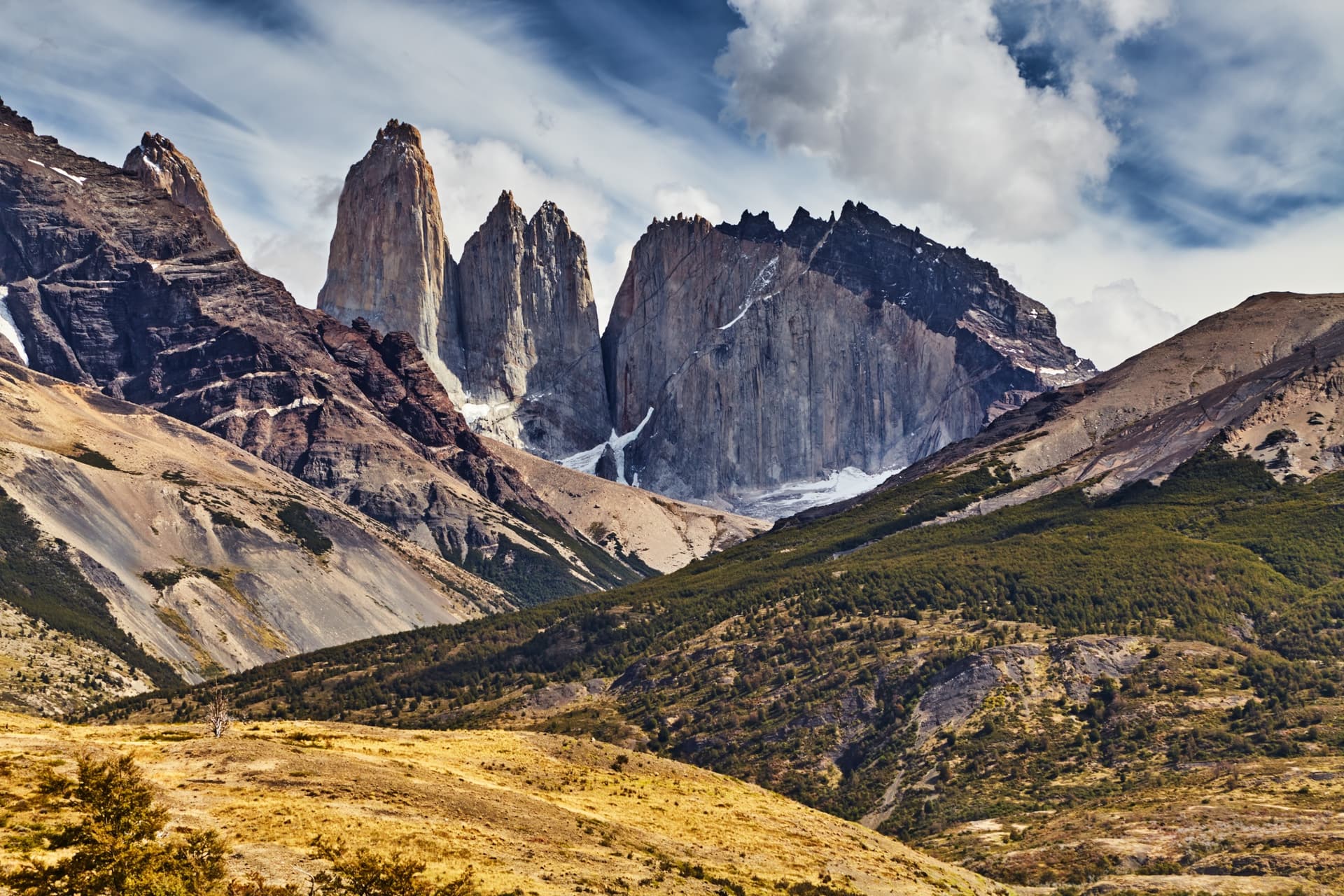
During a journey through Chilean Patagonia, Torres del Paine National Park is an essential destination. Designated a UNESCO Biosphere Reserve, it is home to about thirty mammals (including rare or endangered species, such as the armadillo, the lesser grison and Geoffroy's cat).
With its mountain ranges, valleys, glaciers, lakes and stunning Salto Grande waterfall: the park is ideal for trekking. How to access it? There are two routes: Route Y-156 to the East and Route Y-290 to the South. Northwest of Torres del Paine National Park stands the majestic Grey Glacier!
Frequently asked questions
The best time varies by park. For Torres del Paine and Patagonia, choose the austral summer (November to March). For Lauca National Park in the north or the Atacama Desert, conditions are pleasant nearly year-round. To observe whales near Chiloé Park, the ideal window is between April and May.
Yes, it is highly recommended to book in advance, especially during high season (December to February). Access to trekking circuits like the W Trek or O Circuit requires mandatory reservation of lodges and campsites several months ahead.
Easter Island is accessible only by plane from Santiago, Chile. The flight takes approximately 5 to 6 hours. LATAM Airlines operates regular service. Entry to Rapa Nui National Park requires an entrance ticket that provides access to major archaeological sites, including the famous Moaï statues.
Laguna San Rafael National Park is accessible year-round, though weather conditions can be challenging in winter (June to August). Catamaran and kayak excursions to approach San Rafael Glacier are offered from Puerto Rio Tranquilo. The most favorable period is the austral summer (November to March).
Chile has over 40 national parks managed by Corporación Nacional Forestal (CONAF), covering a wide variety of ecosystems, from northern deserts to Patagonian forests and glaciers. Among the 7 most beautiful are Torres del Paine, Rapa Nui, Lauca, Pan de Azúcar, La Campana, Chiloé and Laguna San Rafael.