Journey through northern Chili
Bordered to the West by the Pacific Ocean and by the Andes mountain range to the East, Chili stands out from other South American countries through its geodiversity;
Bordered to the West by the Pacific Ocean and by the Andes mountain range to the East, Chili stands out from other South American countries through its geodiversity. Made up of volcanic, desert or coastal landscapes, the Arica and Parinacota region promises unforgettable memories, thanks to its charming villages, its Lauca National Park and its splendid Las Vicuñas National Reserve… Ready to take flight? Here are the must-see sites to discover during a journey through northern Chili.
Arica and Parinacota: a northern region
The city of Arica
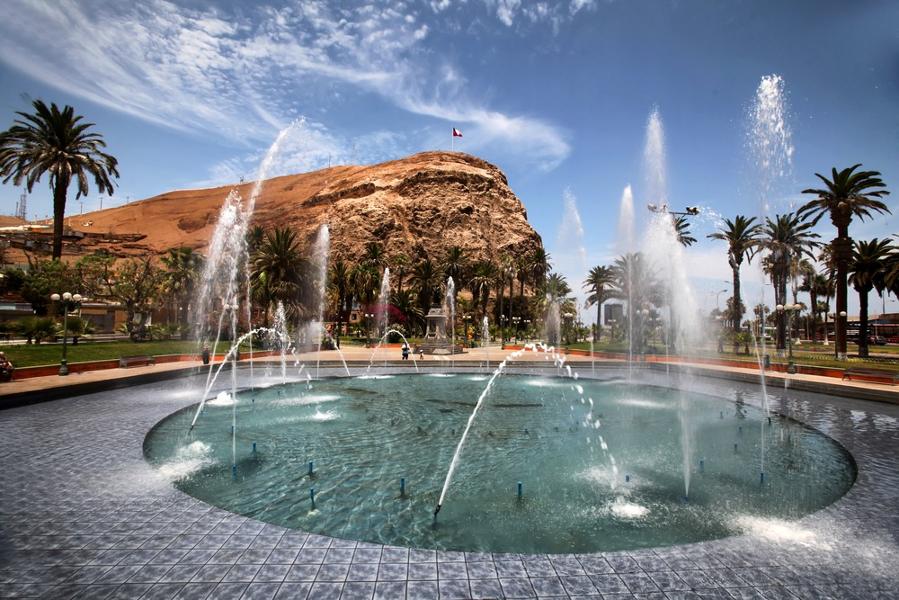
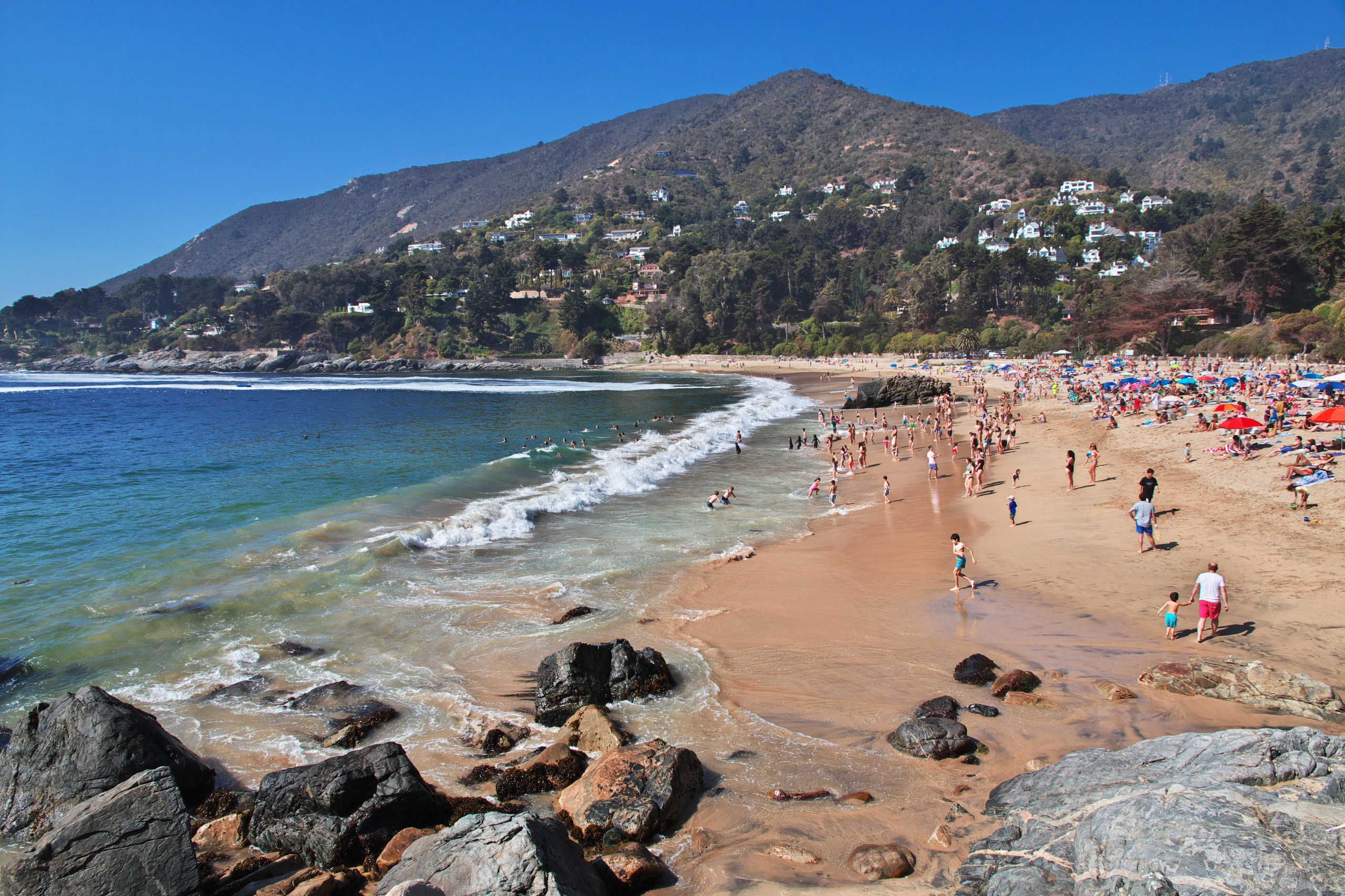
Located on the northern coast of Chili, the port city of Arica stretches along the Pacific Ocean. Nicknamed the city of "eternal spring" due to its ideal year-round climate, it is highly sought after for its beach resort. Among its paradisiacal beaches? Playa Chinchorro (ideal for families), Las Machas Beach (favored by early morning sports enthusiasts) or Playa El Gringo (renowned worldwide for its surfing competitions). Make the most of your stopover by visiting the Terminal Agropecuario in Arica—an agricultural market celebrated for the quality of its produce… and its rocoto pepper!
The Azapa Valley
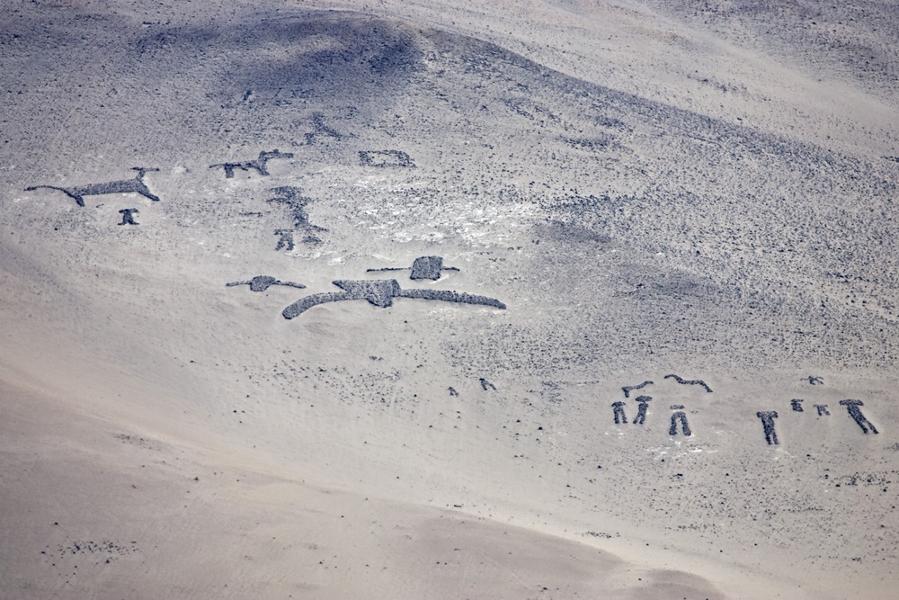
Located in an arid zone, the Azapa Valley is known for its fertile lands, where mango trees, banana trees, as well as olive trees and numerous papaya plantations thrive. Azapa valley is also, and above all, renowned for its splendid geoglyphs (large pre-Columbian art figures carved into the ground, stretching hundreds of meters). Chili has 11,000 of them! The Azapa geoglyphs are located on the slope of Cerro Sagrado, approximately 4 km southeast of Arica.
The village of Putre
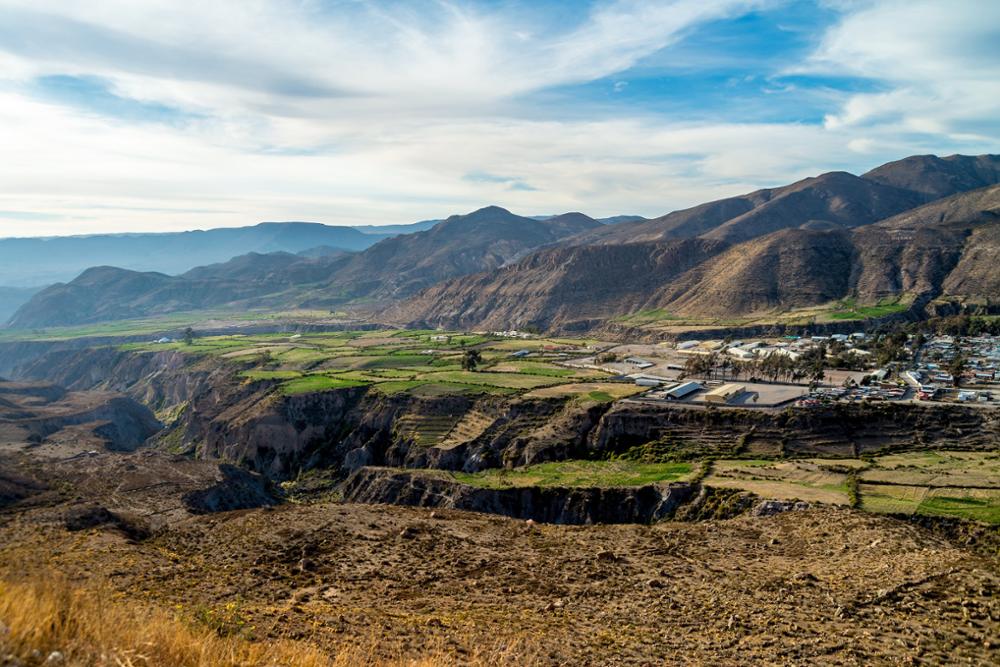
Some 150 kilometers from Arica, set out to discover Putre. Situated at over 3,500 meters in altitude, this charming village will delight you with its volcanic landscapes and typical architecture. You will encounter the Aymaras (an indigenous people originating from the Lake Titicaca region, at the crossroads of Chili, Bolivia, Peru and Argentina).
The village of Socoroma
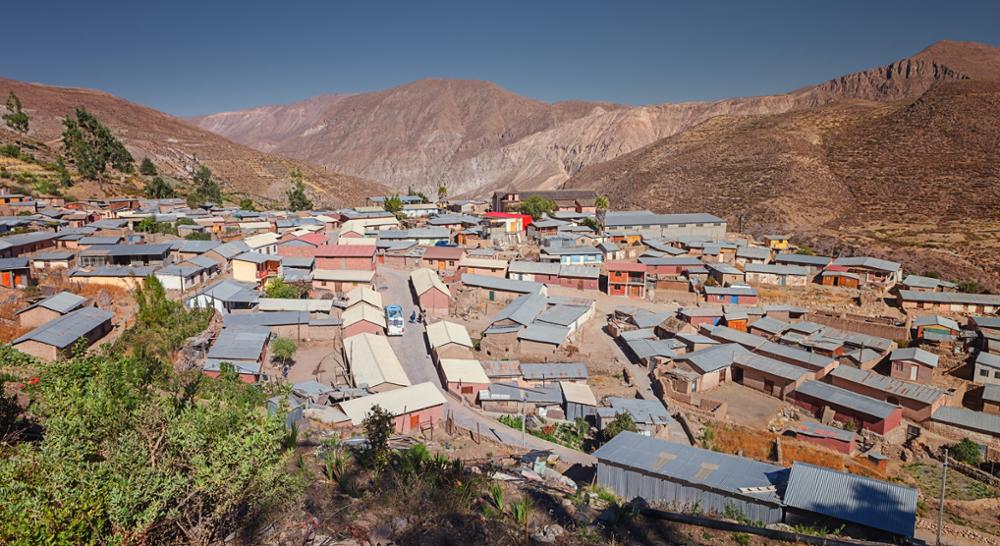
After traveling some thirty kilometers from Putre, you will reach Socoroma. This village of pre-Columbian origin is known for its colonial constructions, of Spanish origins. Its most beautiful edifice? The Church of San Francisco, built in 1560.
The Jurasi thermal springs
The Jurasi thermal springs feature indoor and outdoor pools. Nestled at over 4,000 meters in altitude, they offer you a moment of relaxation thanks to their naturally hot water—always above 35°C! The site also features three mud baths. Don't hesitate to treat yourself to a mask…
Lauca National Park
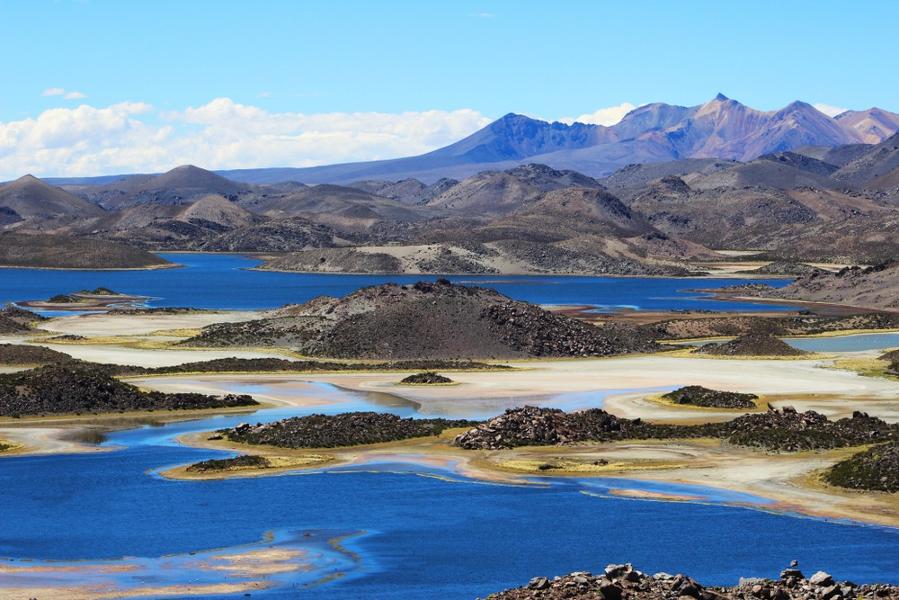
Lauca National Park is one of the most beautiful national parks in northern Chili. Located on the Bolivian border, this site (designated a UNESCO World Biosphere Reserve) spans nearly 138,000 hectares and features several volcanoes. It is also home to Lake Chungará, one of the highest in the world (4,500 meters)! Rich and vast, there are countless ways to discover this natural jewel:
Observe its biodiversity: the park is home to over 130 bird species. You may notably spot seagulls, the Andean avocet, Ridgway's ibis or the Tinamou.
Walk its trails: trekkers and history enthusiasts will find their delight in the hiking routes and historical circuits (archaeological sites).
Take a safari by jeep: an ideal way to explore its unique lands, made of geysers, calderas, rivers and lagoons.
Las Vicuñas National Reserve
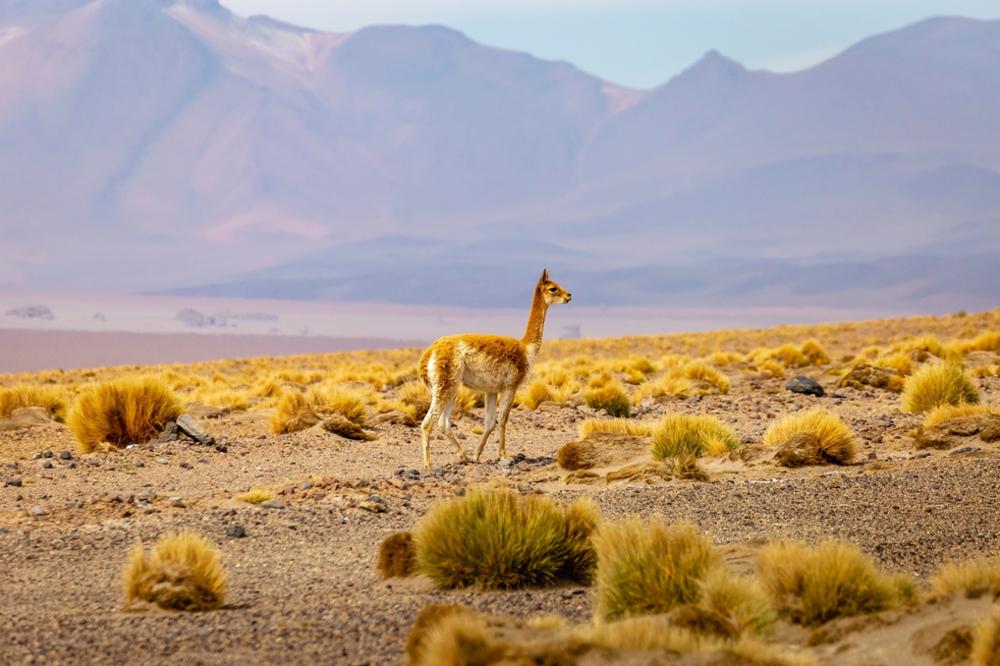
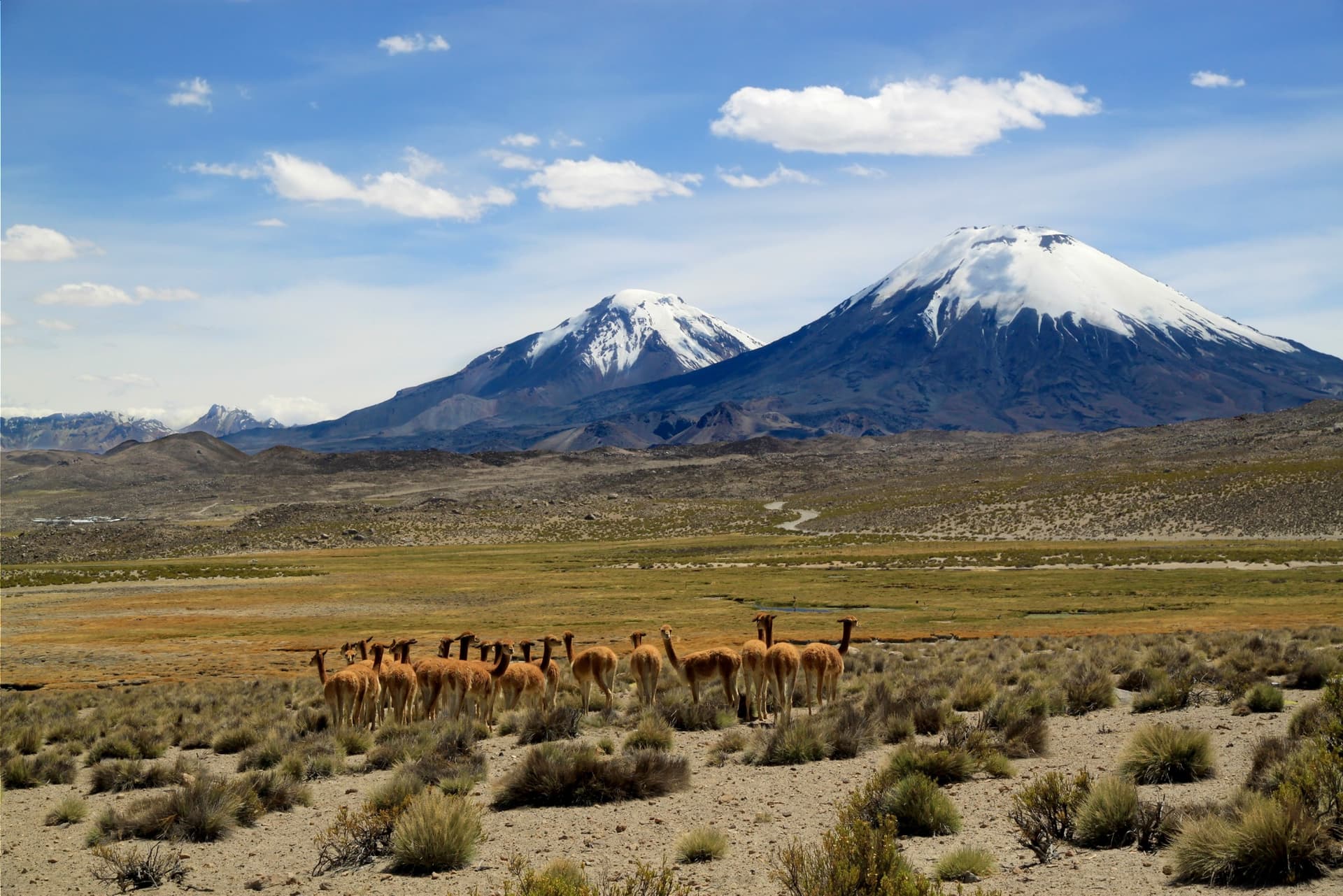
Less than 100 kilometers south of Lauca Park, you will find the Las Vicuñas National Reserve (which owes its name to the many vineyards that dot its lands). The reserve is home to an exceptional puna (a landscape and ecosystem typical of South America). Set out to discover its vast steppes, its quebradas (ravines) and its endemic vegetation, which ornaments its territory. The site also features numerous natural attractions. Among them?
The Salar de Surire: nestled in the heart of the mountains, this magnificent salt desert is also an incredible observation spot to admire llamas, alpacas and pink flamingos.
The Polloquere thermal springs: located 40 minutes (by car) from the Salar de Surire, these natural hot springs offer you a moment of relaxation.
Journey through northern Chili: the ideal itinerary
Volcanoes, charming villages and archaeological remains: Northern Chili brims with treasures to discover… But, the Arica and Parinacota region spans over 8,700 kilometers! One recommendation? To explore all the splendors of Northern Chili, opt for a journey that relieves you of logistical concerns.
Frequently asked questions
The best time to visit northern Chili, and notably the Arica and Parinacota region, falls between April and November. The austral summer months (December-March) correspond to the rainy season on the altiplano, which can make certain access to Lauca National Park difficult.
The city of Arica is accessible from Santiago by plane (approximately 2.5 hours of flight) or by long-distance bus (approximately 30 hours). Connections also exist from Lima, Peru, or from La Paz, Bolivia, by bus or shared taxi.
Yes, mountain sickness (or soroche) is a real risk in the region, notably at Lauca National Park (4,500m), the Jurasi thermal springs (4,000m) and in Putre (3,500m). It is recommended to acclimatize progressively by spending at least one night in Putre before going higher, to hydrate abundantly and to avoid alcohol in the first days.
Geoglyphs are large pre-Columbian art figures carved or formed into the ground, visible from heights. The Azapa Valley possesses some of the most impressive in Chili, which has a total of over 11,000 geoglyphs. Those in Azapa are located on the slope of Cerro Sagrado, approximately 4 km southeast of Arica.
Yes, pink flamingos are one of the region's major attractions. You can observe them at the Salar de Surire, in Las Vicuñas National Reserve, but also around Lake Chungará in Lauca National Park. The best time to observe them is early in the morning.
A guide is not mandatory to visit Lauca National Park, but it is highly recommended, particularly for jeep safaris and hikes on archaeological sites. Local agencies in Arica and Putre offer organized tours that simplify logistics and enrich the discovery of this park designated a UNESCO World Biosphere Reserve.